

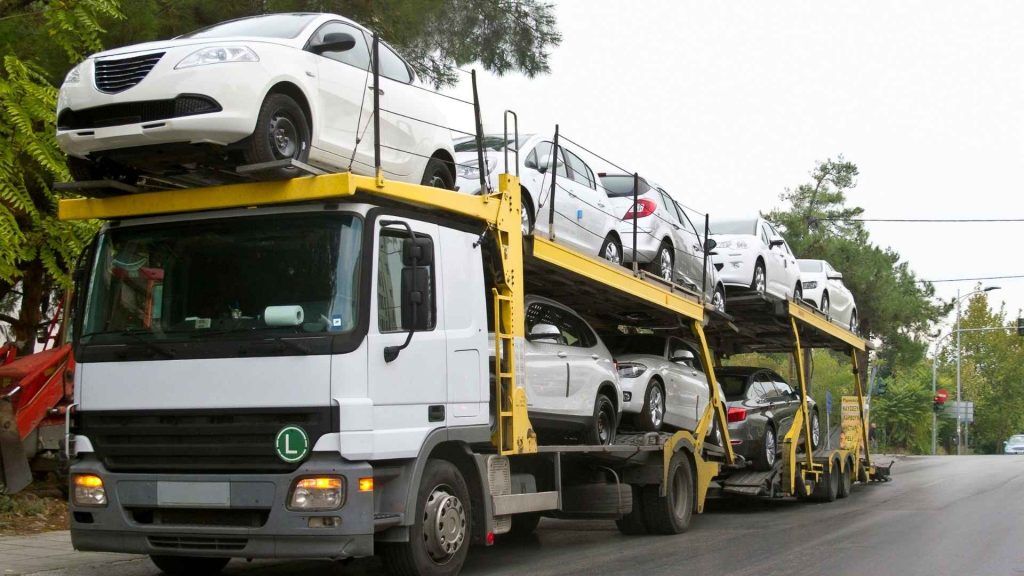
Automotive Shipping | Canada to UK Vehicle Logistics
Car Shipping from Canada to the UK: Methods, Costs, Rules and Customs
Car shipping from Canada to the UK requires more than choosing a vessel. The shipping method, UK import tax, car rules, NOVA declaration, ToR relief, and DVLA registration steps all need to be planned before the vehicle moves.
The UK remains one of the most active vehicle import markets in Europe, even after leaving the EU customs union. From North American pickup trucks and SUVs to classic cars, electric vehicles, and models that are not widely available in the UK, Canadian vehicles continue to attract interest from buyers, collectors, and returning residents.
For anyone planning Car Shipping from Canada to the UK, the route can be simple when the paperwork is prepared correctly. The main challenge is understanding the shipping method, UK car rules, import duties, NOVA declaration, DVLA registration, and driving requirements before the vehicle leaves Canada.
Since Brexit, vehicles arriving from Canada are treated as third-country imports. That means customs duty, VAT, Transfer of Residence relief, and post-arrival registration steps must be reviewed carefully.
Choosing the Best Shipping Method
Car shipping from Canada to the UK can usually be arranged through Air Freight, RoRo, or container shipping.
Air Freight is the fastest option and is usually used for high-value, urgent, or time-sensitive vehicles. It is more expensive than ocean freight, but it can be useful when speed matters most.
RoRo stands for roll-on/roll-off. The vehicle is driven onto the vessel, secured for transit, and driven off at the destination port. RoRo is usually a practical option for standard running vehicles, but personal items are not allowed inside the car.
Container shipping is often preferred for classic cars, luxury vehicles, modified vehicles, non-running cars, or shipments where personal effects may also move in the same container. The vehicle is loaded into a sealed 20-foot or 40-foot container and shipped by ocean freight.
GFFCA’s automotive shipping services can help customers compare these options based on vehicle type, protection needs, timeline, and budget. Container moves may also connect with GFFCA’s FCL shipping in Canada support.
For UK arrivals, the Port of Southampton is one of the most common vehicle import gateways. London Gateway may also be used for containerized shipments moving toward London or the South East.
Key Stages in the Car Shipping Process
A smooth Canada to UK vehicle shipment depends on planning the full process before the vehicle reaches the port.
1. Selecting a Shipping Partner
Choose a freight forwarding company that understands both Canadian export requirements and UK import rules.
Car shipping to the UK is not the same as shipping to an EU country. The UK has its own customs process, ToR1 relief application, NOVA declaration requirement, and DVLA registration steps.
A reliable shipping partner should explain the available options, confirm the shipping route, review the vehicle documents, and help coordinate with the UK-side import agent. This is where automobile logistics and customs clearance support can help avoid delays before the vehicle reaches the UK.
2. Tax and Import Duties for the UK
If you do not qualify for Transfer of Residence relief, UK import duty and VAT may apply.
Import tax should be reviewed before the vehicle arrives in the UK. VAT is usually calculated on the full landed value of the vehicle, which may include the declared vehicle value, shipping cost, insurance, customs duty, and other import-related charges.
The customs duty rate can depend on the vehicle type, HS classification, declared value, origin, and whether preferential tariff treatment applies. Some Canadian-origin vehicles may qualify for preferential tariff treatment under the UK–Canada trade agreement, but this should always be confirmed with your UK customs agent before shipping.
Customers should also consider:
- Customs duty, if applicable
- 20% UK VAT, if applicable
- Port and terminal charges
- Customs clearance fees
- NOVA processing
- DVLA registration
- MOT, if required
- Vehicle Excise Duty
- UK motor insurance
- Inland delivery after arrival
GFFCA’s customs brokerage support can help customers understand what documents should be prepared before the vehicle ships.
3. Transfer of Residence Relief
If you are moving permanently to the UK, you may qualify for Transfer of Residence relief.
If approved, ToR relief may allow you to import personal property, including one personal vehicle, without paying customs duty and VAT.
To qualify, you generally need to show that:
- You have been habitually resident outside the UK for at least 12 months.
- The vehicle has been in your personal use for at least 6 months before import.
- You are importing the vehicle within 12 months of establishing UK residency.
- The vehicle must remain in your ownership for 12 months after import.
- The vehicle is for personal use and not for resale, hire, or commercial use.
ToR relief is applied for through the ToR1 process. If approved, HMRC provides a reference number used on the customs declaration.
ToR relief may remove customs duty and VAT, but it does not remove NOVA, DVLA registration, MOT, Vehicle Excise Duty, or UK insurance requirements.
UK Car Rules After Arrival
After the vehicle arrives in the UK, customs clearance is only the first step.
The vehicle must also go through NOVA and DVLA registration before it can be used legally on UK roads.
NOVA Declaration
NOVA stands for Notification of Vehicle Arrivals.
Every vehicle permanently imported into the UK must be reported to HMRC through the NOVA process before DVLA registration can move forward.
This applies even if Transfer of Residence relief is granted. Without NOVA confirmation, the vehicle cannot be registered properly.
DVLA Registration
After NOVA and customs steps are completed, the vehicle must be registered with DVLA.
This process may include vehicle approval documents, original foreign registration, proof of ownership, MOT when required, Vehicle Excise Duty, UK insurance, and number plate registration.
Is It Legal to Drive a Left-Hand Drive Car in the UK?
Yes. Left-hand drive vehicles are legal to own, register, and drive in the UK.
There is no legal requirement to convert a left-hand drive vehicle to right-hand drive.
However, Canadian vehicles are left-hand drive, and UK roads use left-side driving. Some vehicles may need headlight beam adjustment or headlight deflectors to prevent dazzling oncoming drivers.
Other points to check include rear fog lamps, speedometer readings, emissions, MOT requirements, insurance, and general roadworthiness.
Some drivers find left-hand drive less comfortable on UK roads, especially when overtaking or driving on narrow roads. Others adapt quickly.
Tips for a Smooth Canada to UK Car Shipment
- Plan ahead because door-to-registration timelines can take several weeks.
- Confirm ToR eligibility early and submit the ToR1 application before the vehicle ships.
- Choose container shipping for classic, high-value, non-running, or personal-effects shipments.
- Use RoRo for standard running vehicles when routing and schedule match.
- Keep the title, registration, bill of sale, VIN, importer details, and shipping documents consistent.
- Plan inland delivery from the UK port before the vehicle arrives through proper inland solutions.
UK vs EU Transfer of Residence Relief
The UK process should not be treated like an EU import process.
The UK is outside the EU customs union, and its Transfer of Residence relief is handled through HMRC. The ToR1 application, HMRC reference number, NOVA declaration, and DVLA registration are UK-specific steps.
If you have shipped a car into an EU country before, do not assume the same process applies to the UK.
Why Choose GFFCA for Car Shipping from Canada to the UK?
Golden Freight Forwarding helps customers ship vehicles from Canada to global destinations, including the UK.
GFFCA helps compare container and RoRo options, review Canadian export documents, coordinate ocean freight, support customs brokerage, and prepare information needed for the UK-side import process.
For customers comparing international vehicle movement rules, GFFCA’s guide on importing vehicles to Canada may also help explain how customs and vehicle compliance can change depending on the direction of the move.
Car shipping from Canada to the UK is easier when the method, documents, UK port, ToR1, NOVA, DVLA registration, car rules, driving rules, import tax, and final delivery plan are reviewed before booking.
Planning Car Shipping from Canada to the UK?
GFFCA helps customers compare container, RoRo, and Air Freight options, prepare export documents, coordinate shipping, and plan the customs and destination process before the vehicle moves.

