
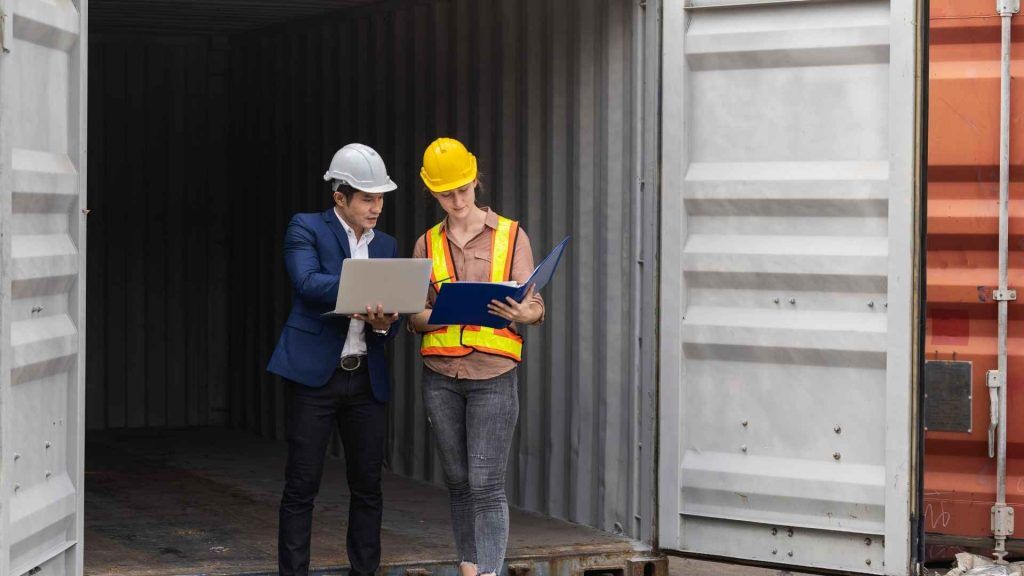
Understanding Customs Clearance in Canada
Navigating customs clearance in Canada can be complex. Importers must understand the process to avoid delays and penalties.
Customs clearance is essential for importing goods into Canada. It involves declaring goods to the Canada Border Services Agency (CBSA).
Importers face various taxes and duties, which depend on the type and origin of goods. Understanding these costs is crucial for budgeting.
Proper documentation is key to smooth customs clearance. Importers need to provide detailed invoices and obtain necessary permits.
Freight forwarders and
customs brokers can assist with logistics. They help ensure compliance with Canadian regulations and streamline the import process.
What Is Customs Clearance in Canada?
Customs clearance in Canada is the procedure to get goods approved by the CBSA. This approval is necessary for the goods to enter the country legally.
Importers must declare their goods when they reach Canadian borders. This declaration includes detailed information about the shipment and helps assess applicable duties and taxes.
The CBSA’s role is to ensure that all goods comply with Canadian regulations. This involves checking for restricted and prohibited items to prevent illegal trade.
Many factors affect the customs clearance process, including the type, value, and origin of the goods. Importers should be well-prepared to meet these requirements.
Key components of customs clearance include:
- Submission of detailed declarations
- Assessment of import taxes and duties
- Inspection for compliance with regulations
By understanding the components, importers can ensure a smoother process.
Key Players in the Canadian Customs Process
Several key players ensure the smooth flow of goods across Canadian borders. These parties play crucial roles in the customs clearance process.
The Canada Border Services Agency (CBSA) is central to this system. They oversee the application of import regulations and the collection of import taxes and duties.
Importers are also vital participants, responsible for providing accurate information and documentation. Importers must declare goods properly to comply with customs procedures.
Customs brokers and freight forwarders assist importers in navigating complex regulations. They offer expertise in filing paperwork and managing logistics.
A typical customs process involves:
- The CBSA, enforcing border regulations
- Importers, ensuring compliance with documentation
- Customs brokers, facilitating the clearance
- Freight forwarders, managing transport and logistics
Step-by-Step Guide to Customs Clearance in Canada
Navigating the customs clearance process in Canada requires careful preparation. A step-by-step approach can help importers manage this complex task.
First, ensure you have a valid Business Number (BN) from the Canada Revenue Agency. This number is needed for import transactions.
Next, determine the Harmonized System (HS) code for your goods. The HS code affects applicable duties and taxes.
Prepare a detailed commercial invoice. This document should list the description, value, and origin of your goods.
It’s also crucial to check if any goods require permits or fall under restrictions. Consult the Import Control List (ICL) for guidance.
After assembling your documents, submit them electronically via the CBSA’s Single Window Initiative. This system simplifies the import process by connecting to multiple government agencies.
Before shipping, consider hiring a customs broker. Brokers can efficiently manage documentation and communication with customs officers.
Upon your goods’ arrival, the CBSA may inspect the shipment. Prepare for this possibility by maintaining accurate records of all import transactions.
Customs duties and import taxes, like the Goods and Services Tax (GST) and Harmonized Sales Tax (HST), will be assessed. Use the CBSA’s online calculators to estimate costs.
Finally, be aware of any penalties for non-compliance, including under-declared or mislabeled goods. The Administrative Monetary Penalty System (AMPS) enforces fines for such infractions.
Following these steps helps ensure a seamless custom clearance in Canada. Proper planning is essential for any successful import operation.
Steps in the Customs Clearance Process:
- Obtain a Business Number (BN)
- Determine HS code
- Prepare a commercial invoice
Additional Considerations:
- Obtain permits for restricted goods
- Submit electronically through SWI
- Hire a customs broker
Required Documentation for Importing Products to Canada
Successful importation hinges on thorough documentation. Without the right paperwork, customs clearance in Canada is impossible.
A key requirement is a comprehensive commercial invoice. This document should detail the value, quantity, and origin of your goods clearly.
Another crucial document is the packing list. This list includes specifics like weights, dimensions, and the items’ packaging details.
Don’t forget to include a Certificate of Origin. This certificate might help qualify your goods for reduced tariffs under trade agreements.
Lastly, the B3 Canada Customs Coding Form is required. This form categorizes your shipment for tax and duty calculations.
Organizing these documents ensures a smoother border-crossing experience. Proper documentation helps to prevent any unexpected delays or penalties.
Essential Documents:
- Commercial Invoice
- Packing List
- Certificate of Origin
- B3 Canada Customs Coding Form
Understanding Import Taxes and Customs Duties in Canada
When importing products to Canada, understanding taxes and duties is pivotal. These charges can significantly impact total import costs.
Import taxes in Canada typically include the Goods and Services Tax (GST). Some provinces also apply a Harmonized Sales Tax (HST).
Customs duties depend on the type of goods and their origin. The Harmonized System (HS) code determines the specific duty rate.
Importers should be familiar with the Customs Tariff, which lists applicable duties. This understanding helps in estimating overall import expenses.
Certain goods may benefit from duty reductions due to trade agreements. It’s crucial to verify if your products are eligible for such benefits.
The Canada Revenue Agency (CRA) oversees import tax collection. Ensuring compliance with their regulations is essential to avoid penalties.
Common Import Taxes:
- Goods and Services Tax (GST)
- Harmonized Sales Tax (HST)
Key Duty Considerations:
- Dependence on HS Code
- Influence of Trade Agreements
Special Considerations: Restricted, Controlled, and Prohibited Goods
When importing products to Canada, special attention is required for certain goods. Some items face restrictions due to safety, health, or environmental concerns.
Controlled goods require specific permits or licenses for importation. The Import Control List (ICL) details these items and necessary documentation.
Prohibited goods cannot enter Canada under any circumstances. Importers should regularly consult the CBSA to avoid compliance issues.
Examples of Special Goods:
- Firearms and ammunition
- Endangered animal products
- Certain chemicals and pharmaceuticals
The Role of Freight Forwarders and Customs Brokers
Freight forwarders play a key role in transporting goods to Canada. They manage the logistics, ensuring shipments move efficiently.
Customs brokers help navigate the customs clearance process. They handle paperwork and ensure compliance with regulations, saving time for importers.
Both professionals offer valuable expertise. Their knowledge of tariff codes and shipping routes can prevent costly delays.
Services Provided by Freight Forwarders and Customs Brokers:
- Logistic coordination
- Customs documentation handling
- Compliance advisory
- Duty and tax estimation
Their roles may overlap, but each has unique strengths. Freight forwarders focus on transportation logistics. Customs brokers specialize in clearance and documentation.
Incorporating their expertise, importers can streamline the process. This partnership ensures a smoother journey through customs barriers.
Trade Agreements, Tariffs, and Duty Relief Programs
Trade agreements play a vital role in Canadian imports. They can drastically reduce or even eliminate tariffs on certain goods. Understanding these agreements helps importers gain a competitive edge.
Canada is part of several international trade agreements. These include NAFTA, now known as CUSMA, which simplifies trade with the U.S. and Mexico. Importers should familiarize themselves with the terms of these agreements to leverage benefits.
Tariffs can impact the cost of imported goods significantly. Being aware of tariff schedules helps importers plan better. Duty relief programs can offer additional savings on imports.
Key Trade Agreements and Programs:
- Canada-United States-Mexico Agreement (CUSMA)
- Comprehensive Economic and Trade Agreement (CETA)
- Duty Deferral Program
- Tariff elimination initiatives
These programs and agreements streamline cross-border transactions. Importers should regularly review changes to remain compliant and benefit financially. Understanding tariffs and duty programs is essential for strategic import planning.
Compliance, Inspections, and Penalties
Compliance with customs regulations is crucial for smooth imports. Importers must adhere to all guidelines to avoid delays and penalties. The Canada Border Services Agency (CBSA) conducts regular inspections to ensure compliance.
Non-compliance can result in significant penalties, including fines. Goods may be seized or detained if regulations are not followed. Importers must maintain accurate records and properly declare all goods.
Key Compliance Areas:
- Proper documentation
- Accurate declarations
- Adherence to labeling requirements
Staying informed about customs procedures minimizes risks. Understanding compliance helps prevent costly disruptions in the supply chain. Keeping up with regulatory changes is essential for successful importing into Canada.
Tips for Smooth Canadian Custom Clearance
Navigating the customs clearance process in Canada can be complex. However, proper planning can streamline the experience significantly. Preparing in advance helps reduce potential issues.
Consider the following tips for a seamless process:
- Organize all documents before shipping.
- Use the CBSA’s online tools to estimate duties.
- Hire a reliable customs broker if needed.
Understanding the specific requirements for the goods you are importing is essential. Stay informed about changes in regulations to avoid surprises. This proactive approach ensures a smooth and efficient customs clearance process.
Frequently Asked Questions About Canadian Custom Clearance
What are import goods? Import goods are products brought into Canada for sale or use. They are subject to customs regulations and duties.
Do I need a Business Number to import? Yes, a Business Number (BN) from the Canada Revenue Agency is essential for all import activities in Canada.
What documents are required? You need a commercial invoice, Bill of Lading, and import permits if applicable. Accurate documentation is crucial.
What is the CBSA’s role? The Canada Border Services Agency (CBSA) oversees and enforces customs regulations. They ensure compliance and collect duties.
How can I reduce import taxes? Utilize trade agreements or duty deferral programs to lower or eliminate certain import taxes. Consider consulting a customs broker for guidance.
Are there penalties for non-compliance? Yes, failing to comply with customs regulations can lead to fines and delays. Ensure all legal requirements are met.
Conclusion
Navigating the complexities of customs clearance in Canada is essential for smooth importing. Understanding the necessary steps and compliance requirements helps streamline the process. Businesses should stay informed on current customs regulations to avoid unexpected delays.
Engaging with customs brokers can further simplify the process. These professionals handle documentation and compliance, ensuring shipments move efficiently through Canadian borders.
Staying proactive, informed, and prepared reduces the risks associated with international trade. Embrace these best practices for hassle-free importing into Canada, benefiting your operations.
Need Help With Customs Clearance in Canada?
Get support with customs brokerage, import documentation, compliance planning, freight coordination, and smooth cargo movement through Canadian borders.

