

Freight Forwarding in Canada: How It Works and Why It Matters
Freight forwarding companies in Canada help shippers move cargo smoothly by planning transport, handling documents, coordinating carriers, and keeping timelines on track.
If you’ve ever tried shipping freight across Canada or internationally, you already know this: it is rarely “just booking transport.” It involves paperwork, schedules, compliance, and multiple handoffs. That is exactly where a freight forwarder makes life easier.
What Freight Forwarding Really Means
Many people mix up freight forwarding with transportation, but they are not the same.
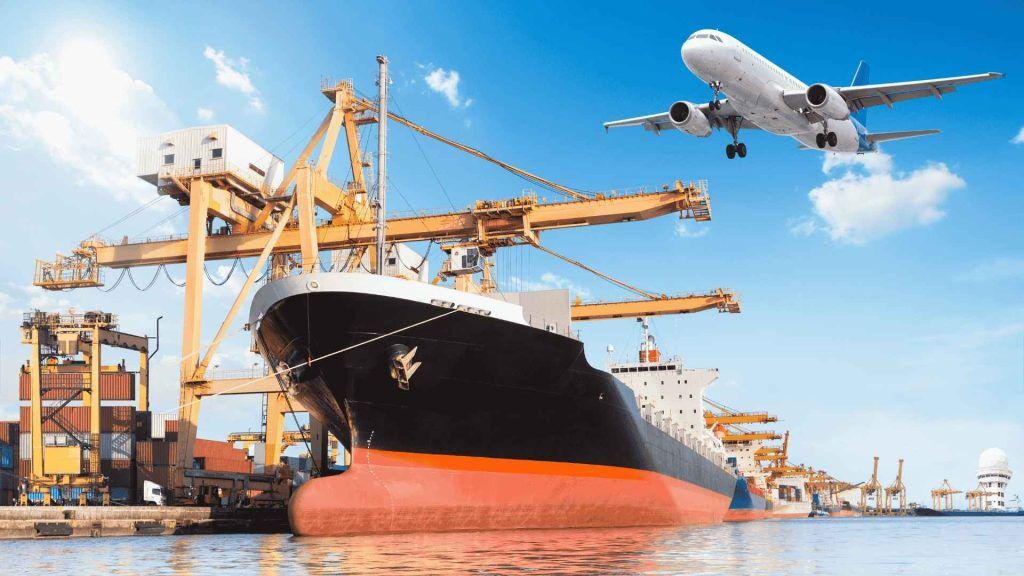
A freight forwarding company usually does not move your cargo using its own trucks, planes, or ships. Instead, it organizes how your shipment moves from origin to destination using the best mix of options.
- Ocean freight
- Air freight
- Inland and ground transport
- Warehousing and coordination
- Documentation and compliance
In simple words, freight forwarding connects all the pieces so your shipment moves as one planned journey.
If you want a deeper breakdown of what a forwarder actually does, read this guide:
What Do Freight Forwarding Companies Do for Shippers?
Why Freight Forwarding Matters in Canada
Canada has its own shipping realities. Routes are long, weather changes fast, and border rules can slow things down when planning is weak.
That is why freight forwarding companies in Canada support businesses by helping them:
- Plan routes that make sense for timing and cost
- Avoid document mistakes that cause delays
- Adjust quickly when congestion or weather impacts transit
- Keep shipments moving during peak seasons
Instead of reacting late, a good forwarder plans early and prevents avoidable problems.
How Freight Forwarding Works Step by Step
Here is what usually happens behind the scenes when a forwarder manages your shipment.
- Shipment review: what you are shipping, where it is going, and how urgent it is.
- Best transport mix: selecting the right method based on cost, speed, and risk.
- Documentation: preparing paperwork and compliance requirements in advance.
- Coordination: aligning carriers, handoffs, and timelines across the route.
- Updates: tracking progress and keeping communication clear until delivery.
Depending on the cargo type and urgency, freight forwarding may include:
- Ocean Freight for large shipments and international cargo
- Air Freight for urgent or high value freight
- Inland Solutions to connect ports, terminals, and delivery points
What Most Shippers Don’t Realize
Here is a simple truth: many shipping problems are not caused by transport itself. They are caused by poor coordination.
Missing documents, weak routing decisions, or last minute changes can create delays and extra costs. A strong freight forwarder prevents this by managing the shipment like one complete system.
Common Shipping Mistakes Without a Freight Forwarder
When planning is rushed or unmanaged, these issues show up quickly:
- Delays at ports or borders
- Extra costs from rebooking, storage, or missed windows
- Limited visibility once freight is in transit
- Confusing communication between multiple providers
Most of these problems are avoidable with the right planning and a single point of control.
When Freight Forwarding Becomes Essential
Freight forwarding is especially useful when:
- You ship internationally or across borders
- Your cargo requires multiple handoffs
- Your timelines are tight and delays are costly
- You want predictable pricing and fewer surprises
- You ship industrial freight such as oversized equipment
For example, industrial and oversized cargo often needs stricter planning and handling. If you ship heavy machinery, this page may help:
Heavy Machinery Shipping
How GFFCA Supports Freight Forwarding in Canada
At GFFCA, freight forwarding is built around clarity, not complexity.
Instead of making you coordinate carriers, documents, and timelines separately, everything runs through one organized plan. That means fewer gaps and smoother execution.
GFFCA supports your shipment by:
- Reviewing shipment goals, freight details, and timelines
- Selecting the right mix of air, ocean, and inland transport
- Managing documentation and compliance steps early
- Providing consistent updates so you stay informed
As a result, you focus on your operations while the shipment moves with structure and control.
Freight Forwarding Is Really About Control
When freight forwarding is handled properly, you get:
- Less uncertainty
- Better predictability
- More cost control
- Stronger timeline protection
That is why many businesses work with freight forwarding companies in Canada instead of trying to manage every moving part alone.
Ready to Move Freight With Confidence?
If you are planning a shipment and want a clear process without stress, GFFCA can help you plan, coordinate, and move freight from start to finish.
Request a quote and get a clear shipping plan
