

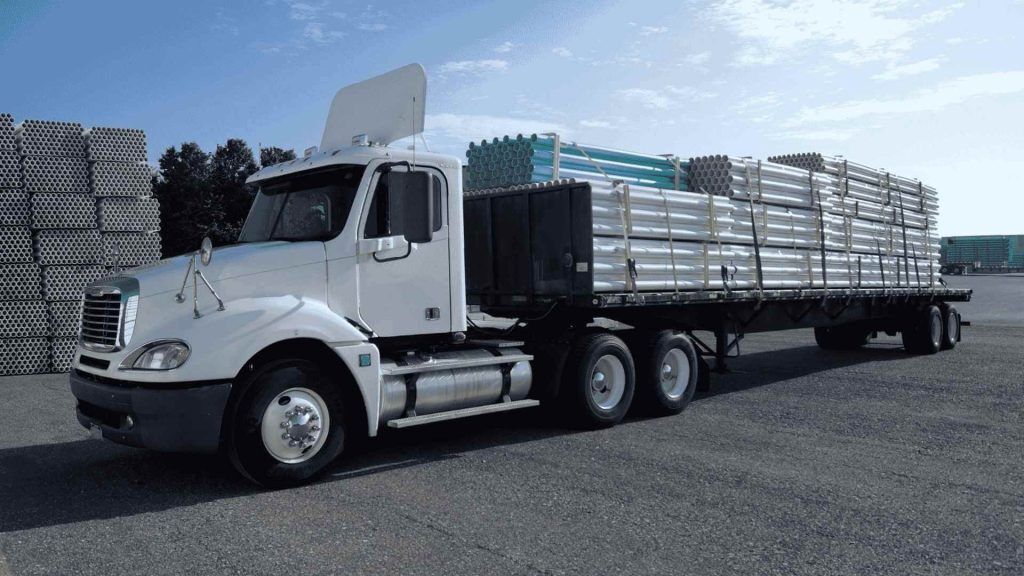
Less Than Truckload Shipping in Canada – Cost-Effective Solutions
Less than truckload shipping in Canada offers a practical way for businesses to move freight without paying for an entire truck. When shipment sizes are moderate, booking a full trailer often leads to wasted space and higher costs.
By sharing truck space with other shipments, LTL freight allows companies to stay flexible, control budgets, and keep goods moving efficiently across Canada.
What Less Than Truckload Shipping Means
Less than truckload shipping refers to transporting freight that does not require a full trailer. Instead of dedicating one truck to a single shipment, multiple shipments are consolidated and moved together.
As a result, businesses only pay for the space they use, making LTL shipping a smart option for smaller or recurring freight needs.
When LTL Shipping Is the Right Choice
LTL shipping works best when freight volumes are too large for parcel services but not large enough for full truckload transport.
Additionally, companies often choose this method when shipping between major cities or distribution hubs, where consolidation improves efficiency and lowers overall transportation costs.
How LTL Shipping Helps Control Freight Costs
One of the biggest advantages of LTL shipping is cost efficiency. Because transportation expenses are shared among multiple shippers, overall freight costs remain lower.
Moreover, businesses can ship more frequently instead of waiting to accumulate full truckload volumes, which helps maintain smoother inventory flow.
Transit Time and Planning Considerations
LTL shipments may pass through several terminals before reaching their destination. Because of this, transit times can vary slightly compared to direct truckload shipping.
However, when shipments are scheduled properly and documentation is accurate, LTL transport remains reliable for most commercial freight.
Preparing Freight for LTL Transport
Proper freight preparation plays an important role in successful LTL shipping. Since freight is handled alongside other shipments, protection and stability matter.
- Secure freight on pallets to prevent shifting
- Use shrink wrap or strapping for stability
- Apply clear labels with destination details
These steps reduce handling issues and support safer delivery.
Common Challenges Businesses Face
Problems with LTL shipping usually occur when planning is rushed or details are missed. Inaccurate weights, poor packaging, or unclear labels can lead to delays or additional fees.
By addressing these issues early, businesses can avoid unnecessary disruptions.
How GFFCA Supports LTL Shipping in Canada
Managing LTL freight becomes much easier with the right coordination. GFFCA helps businesses select suitable carriers, plan efficient routes, and oversee shipments from pickup to delivery.
Instead of managing multiple contacts, clients benefit from one clear process and consistent communication throughout the shipment.
Choosing Between LTL and Full Truckload Shipping
While full truckload shipping offers direct transit, LTL provides flexibility and cost savings for smaller loads.
Many businesses use both options depending on shipment size, urgency, and budget requirements.
Move Freight Smarter With LTL Shipping
Less than truckload shipping in Canada gives businesses a reliable balance between cost efficiency and dependable service. With proper planning and the right logistics support, LTL freight can move smoothly across long distances.
Request a clear shipping Quote and a transparent quote to move your freight efficiently and without surprises.
