

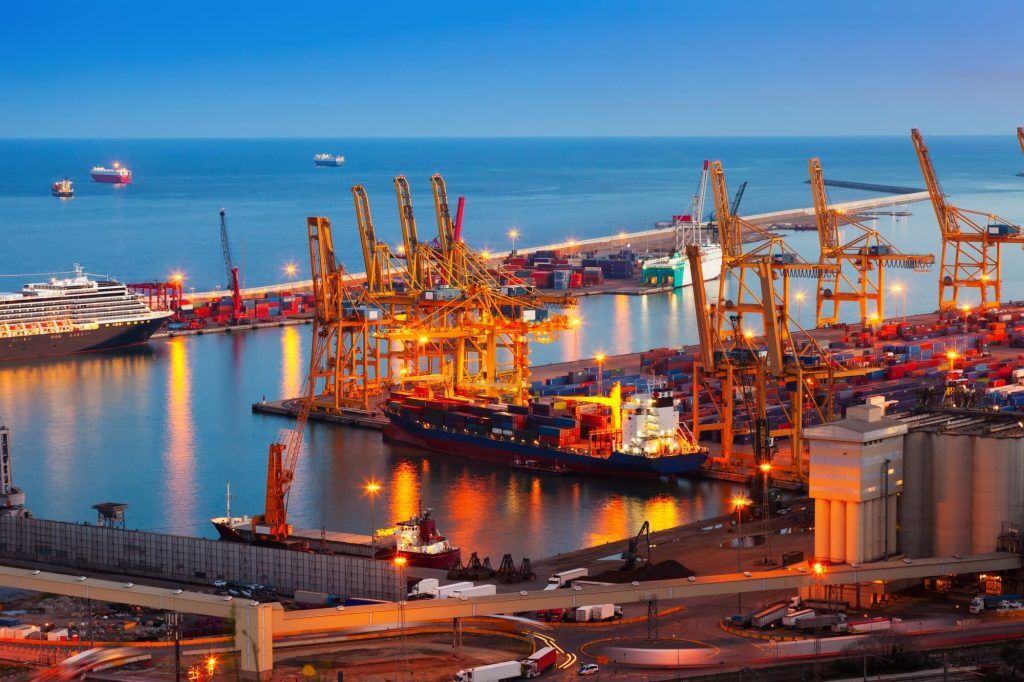
Empowering trade through technology — The future of freight starts now.
As global trade accelerates, so does the demand for smarter, faster, and more efficient shipping solutions. At the forefront of this transformation are smart ports — digitally enhanced, AI-powered harbors that integrate automation, Internet of Things (IoT) sensors, and real-time analytics to streamline port operations and boost cargo efficiency.
For companies shipping internationally, especially from or into Canada, the adoption of smart port technology is not just an innovation — it’s a competitive advantage.
Reimagining Trade: What Makes a Port ‘Smart’?
Smart ports leverage digital tools to manage vessel traffic, monitor environmental conditions, and automate cargo handling — all while providing real-time insights to port authorities and shipping businesses. Imagine being able to:
- Reroute shipments in real time to avoid congestion
- Track weather conditions instantly
- Improve container handling through robotics and AI
- Access cargo status updates at your fingertips
For companies like Golden Freight Forwarding (GFFCA), this means smoother operations, happier customers, and a more sustainable future.
Smart Ports, Smarter Operations: Key Benefits for Canadian Businesses
While integrating smart port systems comes with some upfront challenges — including implementation costs and employee training — the long-term benefits for Canadian exporters and importers are undeniable:
- Increased resource efficiency through automated documentation, scheduling, and container movement
- Accurate, accessible data that drives better business decisions
- Improved worker and cargo safety by reducing manual handling and enhancing tracking
- Enhanced responsiveness by digitizing traffic flow and warehousing systems
- Lower environmental impact via optimized shipping routes and lower emissions
At GFFCA, we believe in empowering your business with actionable insights and smarter logistics systems. Smart port integration allows you to deliver better service while reducing risks and inefficiencies.
