

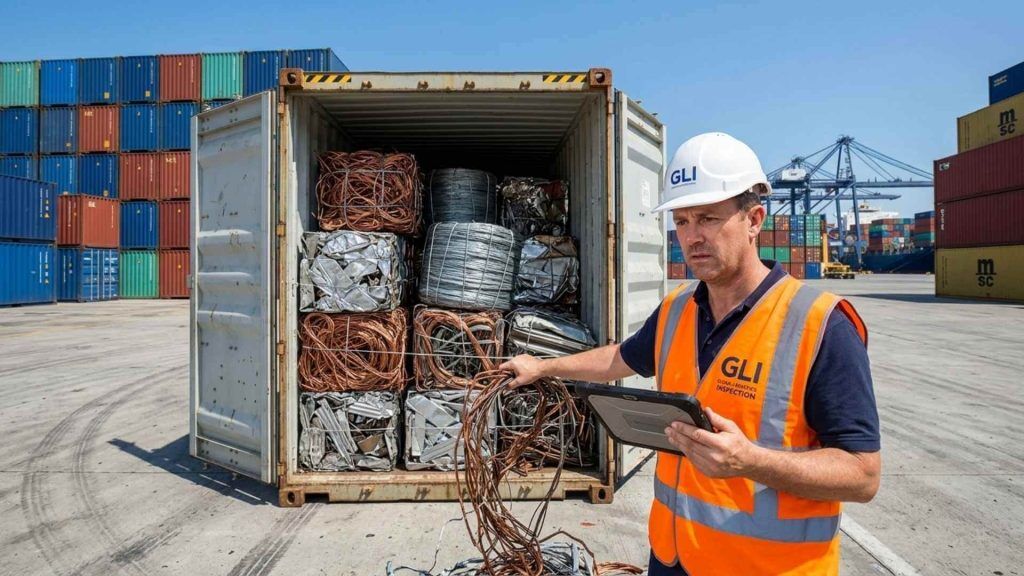
Global tariffs are changing faster than most scrap exporters can react. In 2026, one tariff shift can turn a profitable shipment into an expensive mistake. Between quota limits, anti-dumping measures, and customs scrutiny, businesses need a Scrap Metal Shipping Company that understands not just transportation—but the trade environment shaping every shipment.
International scrap trade is no longer just about moving cargo from port to port. It’s about navigating tariffs, export controls, compliance risks, and hidden costs that can destroy your margins overnight.
Why 2026 Is the Year Scrap Metal Shipping Got Complicated
Steel tariffs are rising in major markets. Governments are reviewing restrictions on metal exports. Recycled feedstock demand is surging while trade barriers multiply.
What’s driving the complexity:
- Steel and aluminum tariff changes pulling scrap into broader policy disputes
- Import quotas tightening in key destination markets
- Anti-dumping measures targeting specific scrap grades and origins
- Export restrictions from major supplying economies protecting domestic feedstock
- Green steel pressures increasing demand for recycled materials while policies lag
For recyclers, traders, and manufacturers moving scrap internationally, landed cost uncertainty has become the norm. A reliable Scrap Metal Shipping Company does more than book freight—it helps you plan around trade risk before cargo moves.
The Hidden Costs Destroying Your Scrap Metal Margins
Freight rates are just the beginning. Here are the costs that blindside importers and exporters in 2026:
1. Terminal Charges (The Fees No One Warns You About)
What they are: Port handling fees, container lift-on/lift-off charges, gate fees, wharfage, and terminal storage.
Why they hurt:
- Can add $200-$600 per container depending on port
- Vary wildly by terminal and aren’t always disclosed upfront
- Some ports charge “congestion surcharges” during high-volume periods
Real example: A scrap aluminum shipment to Southeast Asia faced $450 in unexpected terminal fees at destination because the buyer’s port changed terminal operators mid-transit.
2. Demurrage and Detention (The Time Bomb)
Demurrage: Charges when your container sits at the port beyond free time (typically 3-7 days).
Detention: Charges when you don’t return the empty container to the carrier within the allowed window.
Why they destroy budgets:
- Rates start at $75-150/day per container and escalate quickly
- A customs inspection delay of 5 extra days = $375-$750 in demurrage
- In 2026, port congestion from rerouted cargo has reduced free time at major hubs
Prevention strategy: Work with a Scrap Metal Shipping Company that coordinates customs clearance before arrival and has inland transport ready to pull containers immediately.
3. Customs Inspection Fees (The Compliance Penalty)
What triggers them:
- Incorrect HS code classification for scrap grades
- Incomplete or inconsistent documentation
- Random selection for physical inspection
- Heightened scrutiny due to anti-dumping investigations
Costs you’ll face:
- Physical inspection fees: $300-$800 per container
- Container destuffing/restuffing: $500-$1,200 if full exam required
- Storage during inspection: Additional demurrage accruing daily
- Sample testing: $200-$600 for laboratory analysis of scrap composition
The 2026 reality: With governments cracking down on misdeclared scrap (especially copper and aluminum grades), inspection rates have increased 40% in some markets.
4. Documentation Costs (Small Fees, Big Consequences)
What you’re paying for:
- Certificate of origin: $50-$150 per shipment
- Fumigation certificates: $75-$200 (required for some scrap with organic contamination)
- Pre-shipment inspection reports: $300-$800 for third-party verification
- Bill of lading amendments: $100-$300 per correction
- Customs broker fees: $150-$400 per shipment for filing and coordination
Why they matter: Missing documentation or errors can trigger customs holds costing thousands in demurrage while you scramble to fix a $100 certificate issue.
What Changed in Global Scrap Trade in 2026
The landscape shifted dramatically in the first quarter of 2026. Here’s what your Scrap Metal Shipping Company needs to be tracking:
Policy shifts affecting scrap flows:
- Europe: New Carbon Border Adjustment Mechanism (CBAM) regulations affecting scrap-based steel imports
- United States: Section 232 tariff reviews and potential scrap export restrictions under discussion
- China: Tightened scrap import standards and renewed focus on domestic recycling capacity
- India: Quota adjustments for steel scrap imports amid domestic production protection
- Southeast Asia: Anti-dumping investigations on certain aluminum scrap grades
According to OECD analysis, international trade is critical for scrap steel availability, but export restrictions in major supplying economies create significant friction. By 2050, scrap use may need to reach 45-50% of steel production to meet climate targets—making today’s trade barriers a long-term sustainability risk.
Key Challenges Scrap Importers and Exporters Face Right Now
These aren’t theoretical problems. This is what’s happening to scrap shippers in March 2026:
- Sudden tariff increases changing landed cost mid-contract
- Quota exhaustion forcing shipment rerouting to alternate markets
- Inconsistent customs interpretation of scrap grades and classifications
- Wrong HS classification triggering higher duties or outright rejection
- Documentation gaps causing shipment holds at destination ports
- Market price volatility making fixed-price contracts risky
- Port delays caused by compliance reviews and physical inspections
- Carrier capacity shifts as shipping lines prioritize higher-margin cargo
A knowledgeable Scrap Metal Shipping Company helps you anticipate these issues—not react after cargo is stuck.
How a Scrap Metal Shipping Company Reduces Trade Risk
The right logistics partner does more than move containers. Here’s what separates professionals from order-takers:
1. Monitoring Trade Policy Changes
What this means: Tracking tariff updates, quota changes, and regional policy shifts before they impact your shipments.
Value to you: Advance warning when destination markets tighten import rules or new duties take effect.
2. Ensuring Documentation Accuracy
Critical documents that must align:
- Commercial invoice with precise scrap grade descriptions
- Packing list matching container counts and weights
- Certificates (origin, fumigation, inspection) as required by destination
- HS classification codes matching both origin and destination customs expectations
Why it matters: Inconsistent paperwork is the #1 cause of avoidable customs delays.
3. Smart Route Planning
When one trade lane becomes costly, alternate strategies include:
- Routing through different ports to avoid quota-exhausted markets
- Using ocean freight consolidation to reduce per-ton costs
- Leveraging inland solutions to reach alternate export gateways
- Timing shipments to arrive after quota resets or before tariff implementations
4. Customs Readiness Coordination
Best practices:
- Pre-clearance preparation with destination customs broker
- Document submission 48-72 hours before vessel arrival
- Advance coordination of inspection appointments when required
- Immediate response capability for customs queries or document requests
Result: Reduced inspection issues and faster cargo release from port.
5. Strategic Shipment Timing
Sometimes moving before or after a tariff implementation date can save thousands.
Example: A copper scrap exporter accelerated shipment by 10 days to beat a new 15% import duty, saving $18,000 on a single container load.
6. Managing Carrier and Port Coordination
What experienced forwarders handle:
- Negotiating free time extensions when delays are unavoidable
- Pre-booking inland transport to minimize container dwell time
- Monitoring vessel schedules and proactively rerouting if delays occur
- Reducing demurrage and detention exposure through tight coordination
Real-World Example Scenarios
Scenario 1: Quota Exhaustion Disruption
Situation: A steel buyer in India planned to import 500 tons of shredded scrap steel. Mid-shipment, India announced quota exhaustion for that scrap grade for Q1 2026.
Problem: Cargo was already in transit with no import permit available at destination.
Solution: The Scrap Metal Shipping Company rerouted the shipment to Bangladesh where quota remained available, coordinated new buyer documentation, and avoided complete shipment loss.
Outcome: Shipment delivered with 12-day delay but avoided total rejection and return shipping costs (~$25,000 saved).
Scenario 2: Classification Error Penalty
Situation: An aluminum scrap exporter used a generic HS code instead of the specific classification for sorted aluminum turnings.
Problem: Customs at destination assessed the cargo under the wrong tariff tier, applying 18% duty instead of the 5% rate that should have applied.
Cost impact: $8,400 in excess duties on a $70,000 shipment + 6 days demurrage (~$900) while reclassification was processed.
Prevention: Working with a Scrap Metal Shipping Company that verifies HS codes with destination customs regulations before shipment.
Scenario 3: Demurrage Avalanche
Situation: A copper scrap shipment arrived at port, but the buyer’s customs broker was unprepared and missing required pre-shipment inspection certificate.
Problem: Container sat at terminal for 14 days while certificate was obtained and customs clearance processed.
Costs:
- Demurrage: $1,680 (14 days × $120/day)
- Terminal storage: $420
- Emergency inspection certificate: $650
- Total avoidable costs: $2,750
Lesson: Documentation readiness saves more than just time—it saves thousands per shipment.
Pre-Shipment Checklist for Scrap Metal Businesses
Before your next shipment moves, verify these critical items:
Trade Compliance:
- ✅ Destination country tariff status confirmed (current rates, not outdated info)
- ✅ Import quotas checked—is space available for your scrap grade?
- ✅ Export permit requirements verified (some countries restrict scrap outflows)
- ✅ Anti-dumping investigations reviewed for your material and origin-destination pair
Classification & Documentation:
- ✅ HS code accuracy verified for specific scrap grade and form
- ✅ Commercial invoice matches packing list and actual cargo
- ✅ Certificate of origin obtained (if required for duty reduction)
- ✅ Pre-shipment inspection arranged (if mandated by destination)
- ✅ Fumigation certificate ready (if scrap contains wood packaging or organic material)
Logistics Coordination:
- ✅ Incoterms clearly defined (who pays what costs and when)
- ✅ Buyer-seller cost allocation agreed in writing
- ✅ Customs broker engaged at destination with documents submitted early
- ✅ Inland transport booked for immediate container pickup upon clearance
- ✅ Insurance coverage confirmed for cargo value and delay exposure
Port & Timing:
- ✅ Destination port congestion levels checked
- ✅ Free time for demurrage/detention confirmed with carrier
- ✅ Shipment timing reviewed against tariff implementation dates
- ✅ Emergency contact protocols established with all parties
If you can’t check every box with confidence, you need a better Scrap Metal Shipping Company.
Why Choosing the Right Scrap Metal Shipping Company Matters More in 2026
The difference between a transactional freight broker and a strategic logistics partner is measured in thousands of dollars per shipment—and the survival of your contracts.
What businesses need in 2026:
- Trade awareness: Partners who track policy changes, not just freight rates
- Documentation expertise: Teams that catch errors before customs does
- Multi-country knowledge: Understanding how different markets classify and tax scrap
- Customs coordination: Proactive clearance planning, not reactive crisis management
- Flexibility during disruption: Ability to reroute, retime, or restructure shipments when policies shift
At GFFCA, we specialize in helping scrap exporters and importers navigate exactly these complexities. Our team monitors trade regulations, coordinates documentation, optimizes routing through our ocean freight network, and manages inland logistics to minimize hidden costs.
For time-critical scrap shipments where delays mean contract penalties, we also work with partners like NFFI’s expedited shipping services to ensure cargo moves when standard timelines won’t work.
The Bottom Line: Smarter Shipping Is Competitive Advantage
In 2026, global tariffs are doing more than raising costs—they’re reshaping how scrap moves across borders. Terminal charges, demurrage, customs fees, and documentation costs aren’t line items to ignore. They’re margin killers that separate profitable trades from expensive mistakes.
For recyclers, traders, and manufacturers, success depends on working with a Scrap Metal Shipping Company that understands:
- The trade environment, not just freight capacity
- Compliance requirements, not just booking procedures
- Cost prevention, not just cost quotation
With policy changes continuing across major scrap markets, smarter shipping decisions have become a competitive advantage.
Don’t let hidden costs and tariff surprises destroy your scrap metal margins.
Request a quote today and work with a Scrap Metal Shipping Company that plans ahead, prevents disruptions, and keeps your cargo—and your profits—moving in 2026’s complex trade environment.
Because in scrap metal logistics, what you don’t know costs you money.

