

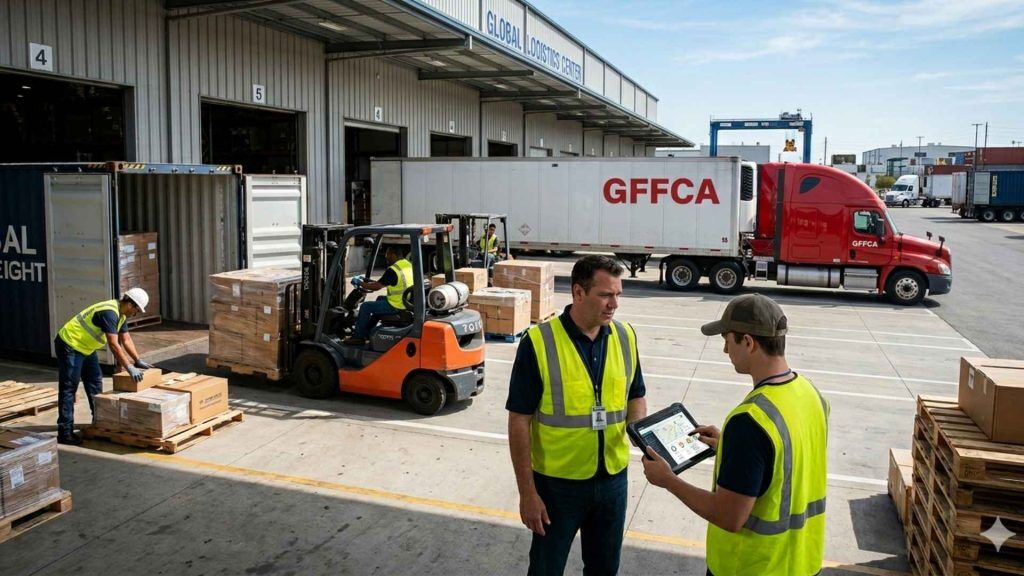
The international freight forwarding industry is entering a new stage. The old model was built around booking space, submitting documents, and reacting to shipment updates. The new model is built around visibility, predictive planning, and risk control before disruption hits.
Importers and exporters are facing more moving parts than before. Vessel schedules shift, ports get congested, customs rules become stricter, fuel costs change, and customers expect better delivery updates. In this environment, freight forwarders need more than operational experience. They need better data, smarter systems, and the ability to act early.
This is why AI visibility and risk control are becoming central to the future of global freight forwarding.
The international freight forwarding industry is moving from reactive to predictive
For years, many freight decisions were made after problems had already appeared. A container was delayed, then the customer was informed. A vessel rolled, then the schedule was adjusted. A document error was found, then the shipment was corrected.
That reactive model is becoming too expensive. Today, businesses need forwarders who can identify risk before the cargo is stuck, before the final invoice changes, and before the customer loses confidence.
Old Freight Model
Wait for disruption, then respond with manual updates and emergency fixes.
Current Freight Pressure
Route disruption, customs complexity, fuel volatility, capacity shifts, and customer delivery expectations all happen at once.
Future Freight Model
Use AI visibility and risk control to predict problems early and protect cost, timing, and cargo flow.
What AI visibility means in freight forwarding
AI visibility is not just another tracking link. It is the ability to connect shipment data across carriers, ports, trucks, warehouses, and documents so freight teams can understand what is happening and what may happen next.
Real-time shipment updates
Freight teams can track cargo movement across ocean, air, inland, and warehouse stages.
Predictive ETA planning
AI can help estimate arrival changes before delays affect delivery appointments.
Exception alerts
Teams can receive early alerts for rollovers, port congestion, customs holds, or route changes.
Document visibility
Commercial invoices, bills of lading, HS codes, and customs details can be checked earlier.
Visibility alone is not enough
Tracking tells a freight forwarder where cargo is. Risk control tells the freight forwarder what to do next.
This difference matters. A shipment update may show that a container is delayed, but risk control helps determine whether to rebook trucking, notify the warehouse, adjust the delivery appointment, prepare an alternate route, or warn the customer before the delay becomes a bigger issue.
Without risk control
- Late customer updates
- Missed delivery appointments
- Higher storage and waiting costs
- More manual follow-ups
- Reactive problem-solving
With AI-supported risk control
- Earlier disruption alerts
- Better delivery planning
- Lower surprise cost exposure
- Cleaner communication
- Faster decision-making
How AI improves risk control in freight forwarding
AI helps the international freight forwarding industry manage risk by connecting patterns that are difficult to track manually. It can compare routes, review carrier performance, flag documentation gaps, detect delay patterns, and support cost forecasting.
Predicting delays
AI can help identify congestion patterns and schedule risks before cargo reaches the problem point.
Reducing document errors
AI-supported checks can flag mismatched invoices, cargo descriptions, HS codes, and consignee details earlier.
Comparing route options
Freight teams can compare time, cost, risk, and reliability before selecting a route.
Forecasting cost pressure
AI can help track rate movement, fuel exposure, and surcharge patterns to improve landed cost planning.
Why importers and exporters benefit from AI visibility
Importers and exporters need confidence. They need to know when cargo will arrive, what the real cost may look like, which documents need attention, and whether a backup plan is required.
AI visibility helps businesses move from uncertainty to informed planning. It supports better inventory decisions, cleaner customer communication, and stronger control over landed cost.
What shippers gain
Less guesswork around freight, delays, and extra charges.
Earlier action when vessels, ports, or customs timelines change.
Reduced risk of holds caused by missing or mismatched details.
More accurate status updates and fewer last-minute surprises.
AI will not replace freight forwarders, but it will change what customers expect
The future of the international freight forwarding industry is not fully automated freight forwarding. Complex cargo still requires human judgement, carrier relationships, compliance experience, and customer communication.
AI can identify the risk, but experienced freight professionals decide how to manage it. They know when to escalate, when to reroute, when to request a documentation correction, when to push carriers, and when to advise the customer before the situation worsens.
The future model
The strongest freight forwarders will combine AI visibility with human decision-making, carrier relationships, and real logistics experience.
What businesses should look for in a future-ready freight forwarder
A modern freight forwarder should not only provide rates. They should help customers understand risk, compare options, and protect the full shipment journey from origin to final delivery.
- ✓ Real-time shipment visibility and proactive communication
- ✓ Documentation review before cargo reaches customs
- ✓ Risk alerts for port delays, vessel changes, and route disruption
- ✓ Flexible ocean, air, inland, warehousing, and distribution support
- ✓ Better landed cost planning and surcharge awareness
- ✓ Human experts who can act when AI flags a problem
Related freight forwarding support
Conclusion
The future of the international freight forwarding industry depends on how well freight partners can combine visibility, AI-supported planning, and real risk control.
Businesses no longer need forwarders who only react after problems appear. They need partners who can see problems earlier, communicate clearly, compare options, and protect cargo movement from origin to destination.
AI will help the industry move faster, but human logistics expertise will still decide how to act. The strongest freight forwarders will be the ones that use both.
Smarter freight starts with better planning
Need a freight partner built for visibility and risk control?
Work with GFFCA to move cargo with stronger planning, cleaner documentation, and better coordination across global freight lanes.

