

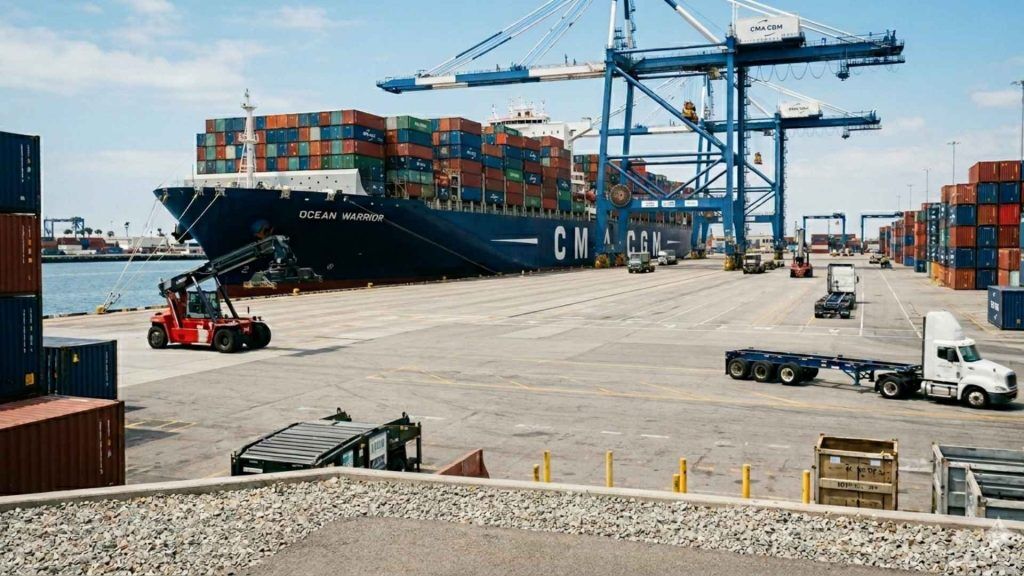
For ocean freight forwarders, the current market is not only about finding vessel space. It is about protecting shipper margins, managing rate pressure, watching port shifts, and improving visibility before delays turn into cost.
Capacity
New vessels are entering the market, but blank sailings and slow steaming are keeping usable space tight.
Rates
GRIs and Peak Season Surcharges are creating early cost pressure before Q3 retail demand.
Visibility
Real-time tracking and predictive ETAs are becoming basic requirements, not premium features.
1. Artificial capacity control is keeping the market tight
A major paradox is shaping ocean freight right now. New vessel deliveries are increasing global fleet capacity, but shippers are not always seeing that capacity translate into easier bookings or sharply lower rates.
Carriers are using blank sailings, route restructuring, and slow steaming to manage oversupply. This helps prevent rates from falling too quickly, especially as importers begin planning early inventory movements for Q3.
What it means for shippers
More vessels do not always mean easier capacity. Ocean freight forwarders need to monitor actual sailings, not just headline fleet supply.
2. Early rate pressure is building before peak season
As retailers and importers prepare for mid-year and Q3 inventory cycles, carriers are already pushing General Rate Increases and Peak Season Surcharges. This makes quote timing more important for businesses trying to protect landed costs.
Current Spot Rate Signals
| Trade Lane | Approx. Level | Market Signal |
|---|---|---|
| Asia to U.S. East Coast | ~$3,800 per FEU | Higher cost exposure on longer-haul import lanes |
| Asia to U.S. West Coast | ~$2,800 per FEU | Still structurally important for Transpacific volume |
| Asia to North Europe | ~$1,500 per TEU | Environmental and rerouting costs remain a factor |
3. The U.S. port map is being redrawn
U.S. container imports have softened year over year, but the bigger story is the shift in gateway strategy. Shippers are testing alternatives beyond traditional West Coast defaults, especially when dwell time and inland reliability become deciding factors.
Gulf and East Coast gateways such as Houston and Virginia are gaining momentum, while Los Angeles and Long Beach remain major structural anchors for Transpacific cargo.
Port Strategy Pressure Points
4. Heavy machinery shipping faces carbon and inland network pressure
Heavy industrial cargo and machinery moves are also affected by environmental compliance. The EU ETS 100% carbon requirement is increasing surcharge exposure on European trade lanes, especially for heavy cargo with higher transport cost sensitivity.
At the same time, rail network changes and truck-to-rail shifts may reshape how machinery moves inland from port gateways. Ocean freight forwarders handling industrial cargo will need stronger coordination between ocean, port, rail, and final delivery planning.
5. Used clothing exports are becoming a serious commercial lane
The used clothing export market is no longer only a low-margin charity-driven lane. Demand for graded inventory, premium vintage, and authenticated designer apparel is rising across Africa, Southeast Asia, and the Middle East.
This shift changes logistics planning. Lower-margin bulk shipments may still move by ocean container, while premium textile cargo may move by air to meet strict inventory windows.
6. Blind shipping is becoming too risky
Red Sea and Middle East disruption continues to affect routing, bunker adjustment factors, and transit time reliability. In this environment, blind shipping is becoming an operational liability.
Digital visibility platforms, real-time container tracking, automated documentation checks, and predictive ETAs are quickly becoming industry benchmarks for ocean freight forwarders.
What shippers should watch now
- Blank sailings and schedule changes before booking
- GRIs and Peak Season Surcharges before Q3 inventory movement
- Gateway alternatives beyond default port choices
- Carbon surcharge exposure on European trade lanes
- Air freight decisions for premium or urgent cargo
- Visibility tools that reduce blind shipment risk
Conclusion
The current ocean freight market is not simple. Cargo volumes may look softer in some areas, but carrier capacity control, port shifts, compliance pressure, and visibility demands are keeping the market tight.
For businesses relying on ocean freight forwarders, the priority is no longer only finding the cheapest rate. It is finding a forwarder that can manage space, timing, documentation, routing, and risk together.
Need smarter ocean freight planning?
Work with ocean freight forwarders who plan beyond the sailing schedule
Build a freight plan around real capacity, rate pressure, port strategy, and shipment visibility.

