

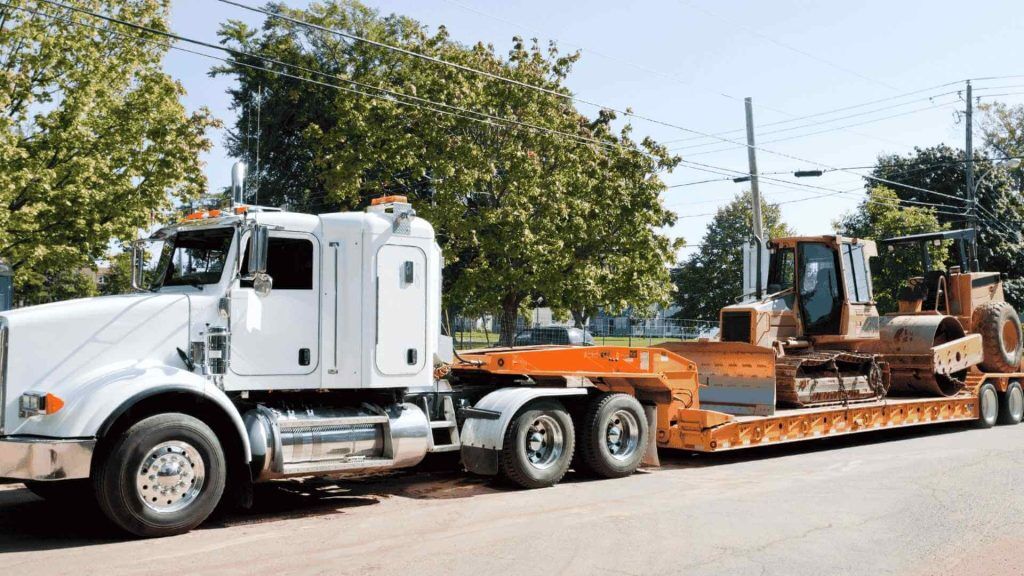
Heavy Machinery Moving Services in Canada: What You Should Know Before You Book
Look, let’s be real about something.
Heavy machinery moving isn’t like ordering a pizza. You can’t just make a call, give an address, and expect everything to work out perfectly.
When you’re relocating construction equipment, industrial machines, or any piece of heavy machinery, you’re dealing with something way more complex. And here’s the thing—one wrong move can cost you thousands of dollars and weeks of delays.
Therefore, before you book your next machinery move, let’s talk about what actually goes into this process. No fluff, no sales pitch—just straight talk about what you need to know.
What Heavy Machinery Moving Really Involves
Moving a 40-ton excavator is nothing like shipping standard freight. In fact, think about it.
The Canadian construction equipment market is valued at $2.92 billion in 2025 and growing to $3.89 billion by 2030. Consequently, that’s a lot of machinery on the move.
Professional heavy equipment transport involves way more than you’d think:
- Route surveys that identify clearance issues before they become nightmares
- Weight calculations spread across multiple axles to stay legal
- Timing coordination to dodge peak traffic and bad weather
- Equipment inspections to prevent mid-transport failures
However, here’s something most people don’t realize: proper machinery moving services spend as much time planning as they do actually moving your equipment. Because in 2025, with stricter regulations rolling out, there’s zero room for “winging it.”
Why Planning Matters Before Moving Heavy Equipment
Canada’s huge. Like, really huge. Moreover, moving machinery across long distances with varied terrain isn’t a joke.
Something that moves smoothly in Toronto might need a completely different approach for cross-province transport to Vancouver or Calgary.
As a result, proper planning helps you avoid these headaches:
- Route restrictions like low bridges or narrow turns that can stop you cold
- Permit delays that cost you time and money
- Safety risks from poor weight balance
- Seasonal restrictions (especially during spring thaw when weight limits drop)
Furthermore, here’s what nobody tells you: starting in 2025, all federally regulated carriers must use third-generation Electronic Logging Devices (ELDs). This means better tracking, yes—but also stricter compliance requirements.
In addition, when you plan ahead (like, at least 2 weeks ahead), your equipment is way more likely to arrive on schedule.
Equipment and Trailers Used for Machinery Transport
Not all machinery fits on a standard trailer. Obviously, this seems clear, right? However, you’d be surprised how many people don’t realize this until it’s too late.
That’s why specialized equipment is huge in machinery relocation Canada operations. In fact, choosing the wrong trailer can mean spending thousands extra—or worse, damaging your equipment.
Depending on what you’re moving, transport might use:
- Lowboy or step-deck trailers for tall equipment—deck heights as low as 18 inches
- Multi-axle trailers for distributing heavy weight—can handle loads over 80,000 pounds
- RGN (Removable Gooseneck) trailers for drive-on/drive-off capability
- Custom securement systems for sensitive machinery
Choosing the right trailer keeps your equipment safe and keeps everything legal. Furthermore, proper trailer selection can cut fuel costs significantly on long hauls.
Safety and Compliance in Heavy Machinery Transport
Safety isn’t optional. In fact, every shipment has to follow transport laws, weight limits, and securement standards.
Honestly? The rules are getting stricter in 2025 and 2026.
Professional heavy machinery moving services include these critical safety measures:
- Proper load securing using certified tie-down systems rated for specific weights
- Trained drivers with heavy haul experience and specialized endorsements
- Continuous GPS monitoring with real-time alerts
- Pre-trip inspections covering dozens of checkpoints
Here’s something you should know: hauling oversized loads now requires special permits obtained through a fully digital process. Meanwhile, Canada’s moving toward more streamlined, tech-driven compliance—which is great, but only if your carrier knows how to navigate the system.
By 2026, expect even more regulatory updates as Transport Canada rolls out new safety standards. Therefore, working with carriers who stay ahead of these changes matters.
Common Challenges Businesses Face
Let me tell you where things usually go wrong.
Most heavy equipment transport issues are completely avoidable. However, they happen when shipments get rushed or handled without expert coordination.
The most common problems include:
- Permit delays: Can add days to your timeline and cost you money
- Damage from improper loading: Insurance claims aren’t fun to deal with
- Unexpected route changes: Can spike your costs by 15-25%
- Poor communication: Not knowing where your equipment is creates unnecessary stress
These problems often end up costing way more than the move itself. However, with the right planning and experienced partners, most of these issues never happen.
Additionally, here’s a bonus tip: with Canada’s construction equipment market growing steadily through 2030, carrier availability is getting tighter. Book early, plan well, and work with specialists who know what they’re doing.
The Real Cost of Cheap Heavy Equipment Transport
We need to talk about something important: price shopping.
Look, I get it. Everyone wants to save money. However, when it comes to heavy haul logistics, the lowest bid usually isn’t your best option.
Think about it this way: if someone’s quoting you significantly less than everyone else, they’re cutting corners somewhere. Perhaps it’s insurance coverage. Maybe it’s driver experience. Or it could be equipment quality.
Quality construction machinery transport providers might quote 15-20% higher upfront, but they actually save you money by:
- Avoiding damage to your equipment
- Getting permits right the first time
- Delivering on schedule without surprises
- Carrying comprehensive insurance that actually covers your equipment
The question isn’t whether you can afford professional heavy machinery moving—it’s whether you can afford not to use it.
How GFFCA Handles Heavy Machinery Moving
At GFFCA, we treat machinery transport like the complex logistics operation it actually is.
No shortcuts. No guessing. Instead, we follow a systematic approach that works.
Here’s how we do it:
- Equipment assessment: We review your machinery within 24 hours of your inquiry—type, dimensions, weight, special handling needs
- Route planning: Our team analyzes route factors including bridge clearances, weight restrictions, and seasonal conditions
- Permit coordination: We manage all permit applications and approvals
- Equipment matching: Your machinery gets paired with the optimal trailer and securement system
- Transport execution: Certified drivers with years of heavy haul experience handle your shipment
- Real-time updates: GPS tracking and proactive communication keep you informed
Instead of juggling multiple providers, you work with one point of contact who oversees everything from start to finish.
Moreover, with regulations getting stricter in 2025 and 2026, having a partner who stays current with compliance requirements isn’t just nice—it’s essential.
What to Expect in 2026 and Beyond
The heavy equipment transport industry is changing fast.
By 2026, expect to see:
- More digital permit processes across all provinces
- Stricter environmental regulations for transport vehicles
- Advanced tracking requirements and reporting standards
- Increased focus on zero-emission transport solutions
Canada’s pushing toward greener transportation. As a result, carriers who adapt early will have the advantage. Those who don’t? They’ll struggle to keep up.
For you, this means working with forward-thinking carriers who invest in modern equipment, stay compliant with evolving regulations, and use technology to improve service delivery.
Move Heavy Machinery With Confidence
Moving heavy machinery doesn’t have to feel overwhelming.
In fact, with the right partner, it becomes predictable. Structured. Reliable.
Ultimately, the difference between a smooth transport and a costly problem comes down to three things: experience, planning, and communication.
If you’re planning a machinery move and want expert guidance backed by real results, GFFCA is ready to help.
We understand 2025’s regulations. We know what’s coming in 2026. And we know how to get your equipment where it needs to go—safely, legally, and on schedule.
Request a quote today and move your machinery with confidence.
