

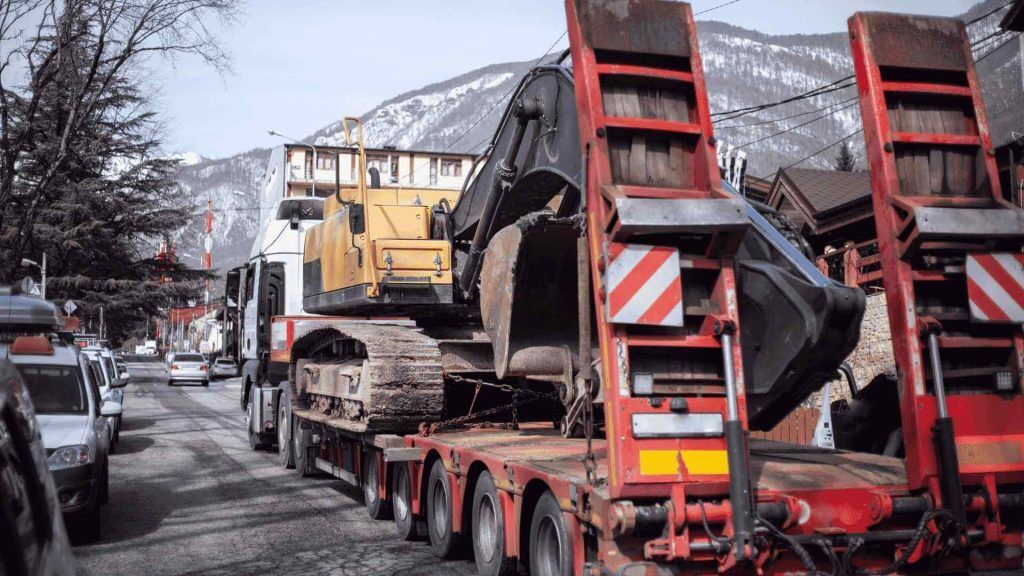
Heavy Equipment Movers – Step-by-Step Process Explained
Ever wonder what actually happens when you hire heavy equipment movers to relocate a 50-ton excavator?
Most people think it’s straightforward. Call a company, load the machine, drive it somewhere. Done, right?
Wrong. Moving heavy equipment is one of the most complex logistics operations in the industry. One missed step can mean damaged machinery, permit violations, or weeks of delays that cost you thousands.
So let’s talk about exactly what professional heavy equipment movers do, step by step. Just you and me, no industry jargon, no fluff. The real process from start to finish.
Why Heavy Equipment Moving Isn’t Like Regular Freight
Before we get into the details, you need to understand something important.
Heavy equipment isn’t just cargo. It’s a serious investment.
A single piece of construction machinery can run you anywhere from $100,000 to well over $1 million. When you’re moving equipment worth that much, there’s absolutely zero room for amateur mistakes.
Professional movers treat each job differently because every situation is unique:
- Every machine has different dimensions, weight distribution, and handling needs
- Routes need careful planning around weight restrictions and clearance limits
- Multiple permits and regulatory approvals come into play before anything moves
- Specialized trailers and securement systems prevent damage during the trip
Therefore, the process involves way more planning than actual driving. In fact, for every hour on the road, professional movers typically spend 2 to 3 hours just on preparation and coordination.
Step 1: Initial Assessment and Equipment Evaluation
Everything starts with understanding exactly what needs to move.
When you contact heavy equipment movers, the first thing they do is gather detailed information about your machinery. Think of it like a doctor’s visit, but for your equipment.
They need to know:
- Equipment type and model because different machines need different handling approaches
- Exact dimensions including height, width, length, and any parts sticking out
- Total weight with fuel, attachments, and any extra components
- Current location access like whether a big trailer can actually get in and out
- Destination details covering where it’s going and what the delivery site looks like
This isn’t just filling out forms. Professional movers often show up on site to verify measurements and spot potential loading challenges you might not even think about.
Why does this matter so much? Because one wrong measurement can result in rejected permits, the wrong trailer showing up, or equipment that physically can’t be moved on the route they planned.
Step 2: Route Planning and Feasibility Analysis
Once they’ve confirmed the equipment details, the real logistics work begins.
Professional heavy equipment hauling companies analyze potential routes using specialized software and years of local knowledge. However, this goes way beyond just opening Google Maps and picking the shortest path.
Route planning has to consider a bunch of factors:
- Bridge weight limits and how high they sit
- Road width restrictions and whether big equipment can make the turns
- Construction zones and temporary road closures
- Seasonal restrictions, especially during spring when roads can’t handle as much weight
- Time restrictions for oversized loads in certain areas
- Where to stop for fuel and driver rest on long hauls
In Canada, provincial regulations change from place to place. What’s totally legal in Ontario might need extra permits in Quebec. Experienced movers know these differences inside and out.
Moreover, they always identify backup routes just in case primary plans need to change because of weather or unexpected road conditions.
In 2026, Transport Canada is rolling out even stricter interprovincial coordination requirements. Professional movers are already preparing for these changes so your shipments don’t get caught in regulatory delays.
Step 3: Permit Acquisition and Regulatory Compliance
Here’s where most DIY attempts completely fall apart.
Moving heavy equipment legally requires multiple permits, and honestly, the process is way more complicated than most people realize.
Depending on how big your equipment is and where it’s going, heavy equipment transport may require several different permits:
- Oversize and over-weight permits when your equipment exceeds standard legal dimensions or weight limits
- Municipal permits for traveling through specific cities or regions
- Highway permits covering provincial or interprovincial highway use
- Pilot vehicle authorization when loads are extremely wide or long
- Time restricted permits that only let you move during specific hours or days
Professional movers handle all the applications, follow ups, and approvals. In addition, they maintain relationships with regulatory bodies that can speed things up.
Starting in 2026, most Canadian provinces moved to digital permit systems. This will be standard everywhere. Experienced movers navigate these systems efficiently, cutting wait times from weeks down to days.
Step 4: Equipment and Trailer Selection
Not all trailers are created equal. Not even close.
Choosing the right transport equipment is absolutely critical for safety and staying legal. Professional heavy machinery transport companies keep diverse fleets specifically designed for different types of loads.
Common Trailer Types for Heavy Equipment
Depending on what you’re moving, your movers might use different setups:
- Lowboy trailers with super low deck height (18 to 24 inches) that work great for tall equipment like excavators and cranes
- RGN (Removable Gooseneck) trailers where the front detaches so equipment can drive on and off, cutting loading time way down
- Step deck trailers with two deck levels that give you flexibility for equipment of varying heights
- Multi axle heavy haul trailers that spread extreme weight across more axles to stay within legal road limits
- Specialized flatbeds for smaller equipment or machines that don’t need low deck clearance
The trailer choice affects everything. Fuel costs, permit requirements, how fast you can load, and whether your equipment stays safe during transport.
Furthermore, professional movers inspect every trailer before each job, checking hydraulic systems, tie down points, and making sure the structure is solid.
In 2026, new trailer safety standards are coming into effect across Canada. Working with movers who keep their equipment current matters more than ever.
Step 5: Pre-Transport Equipment Preparation
Before your equipment leaves its current spot, it needs proper preparation.
This step surprises most people because it involves way more than just “making sure it’s ready to go.”
Professional movers coordinate with you to handle several tasks:
- Drain fuel to safe levels to reduce weight and fire risk
- Secure or remove any loose attachments and components
- Retract or lock any parts that move like arms, booms, or blades
- Document equipment condition with photos and inspection reports
- Disconnect batteries if regulations require it
- Clean equipment to meet biosecurity requirements for certain regions
This preparation prevents damage during loading and transport. It also ensures everything stays compliant with safety regulations that govern heavy equipment hauling operations.
Step 6: Loading and Securement
This is where real expertise comes into play.
Improper loading causes most transport damage and safety incidents. Professional movers use systematic approaches they’ve refined over literally thousands of loads.
The loading process covers multiple critical steps:
- Weight distribution analysis to make sure the load balances properly across trailer axles
- Center of gravity calculation so there’s no tip over risk during transport
- Specialized loading equipment like ramps, hydraulic lifts, or drive on systems
- Multiple securement points using chains, straps, and binders rated for specific weight classes
- Load verification with final checks before departure to confirm everything is stable
Moreover, professional movers document the entire loading process. This creates a clear record of proper procedures in case any questions come up later.
In 2026, leading transport companies are using advanced load monitoring technology that alerts drivers immediately if anything shifts during transit. This tech is becoming the industry standard.
Step 7: Transport Execution and Real-Time Monitoring
Once everything is loaded and secured, the actual transport begins.
However, professional heavy equipment movers don’t just drive and hope everything works out. They actively manage your shipment throughout the entire journey.
During transport, experienced movers stay on top of everything:
- Monitor weather conditions and adjust routes if necessary
- Stop regularly to verify load securement is still solid
- Coordinate with pilot vehicles for oversized loads
- Keep communication open with dispatch and you
- Track GPS location and update estimated arrival times
- Document any incidents or unexpected delays right away
For long distance moves, drivers have to comply with hours of service regulations. Professional companies plan realistic schedules that account for mandatory rest periods.
In addition, they maintain 24/7 dispatch support so someone is always available if issues pop up mid transport.
By 2026, new federal regulations will require enhanced electronic monitoring for all heavy haul operations. Companies investing in these systems now are ahead of the curve.
Step 8: Delivery and Unloading
Getting your equipment to the destination is only part of the job.
Professional movers coordinate delivery timing with you to make sure the site is ready for unloading. Because showing up with a 60 foot trailer when nobody is prepared creates serious problems.
The delivery process includes several important steps:
- Site assessment to confirm there’s enough space for maneuvering and unloading
- Safety coordination establishing clear zones and communication protocols
- Systematic unloading reversing the loading process with equal care
- Equipment inspection documenting condition upon delivery
- Client sign off confirming successful delivery and equipment condition
Professional movers don’t consider the job finished until your equipment is safely positioned exactly where you need it.
What Separates Professional Heavy Equipment Movers
Now that you’ve seen the full process, you can understand why experience matters so much.
Professional heavy equipment transport companies invest heavily in several critical areas:
- Specialized equipment fleets with multiple trailer types and configurations for different loads
- Experienced personnel including drivers with heavy haul endorsements and years of real field experience
- Comprehensive insurance that actually protects your equipment’s full value, not just basic coverage
- Established relationships with permit offices and regulatory bodies across provinces
- Technology systems for GPS tracking, load monitoring, and digital documentation
- Safety programs with ongoing training and strict compliance protocols
Therefore, when you work with professionals, you’re not just paying for transportation. You’re investing in expertise, risk reduction, and genuine peace of mind.
Common Mistakes to Avoid When Moving Heavy Equipment
Even with professional help, certain mistakes can complicate the entire process.
Here’s what you should avoid:
- Providing inaccurate measurements because guessing equipment dimensions never ends well
- Rushing the timeline since quality heavy equipment moves need adequate planning time
- Choosing based only on price when the cheapest quote usually comes with hidden costs later
- Ignoring site access issues because delivery sites must accommodate large trailers
- Skipping insurance verification without confirming coverage limits before transport begins
In addition, communicate clearly with your movers about any special requirements or concerns you have. The more information they get upfront, the smoother everything runs.
How GFFCA Handles Heavy Equipment Moving
At GFFCA, we’ve refined our heavy equipment moving process through years of experience across Ontario and throughout Canada.
Our systematic approach ensures every detail gets managed professionally:
- Detailed consultation where we review your equipment, timeline, and specific requirements
- Comprehensive planning as our logistics team handles route analysis, permit acquisition, and equipment selection
- Professional execution with certified drivers and modern equipment ensuring safe transport
- Clear communication providing real-time updates that keep you informed throughout the process
- Complete documentation covering inspection, loading, transport, and delivery records
We understand that your equipment represents serious investment. Therefore, we treat every move with the attention and expertise it deserves.
Whether you’re relocating a single excavator or coordinating transport for an entire fleet, GFFCA manages the complexity so you don’t have to.
Looking ahead to 2026, we’re already implementing next generation tracking systems and compliance protocols. When regulations change, your shipments won’t miss a beat.
Move Your Heavy Equipment With Confidence
Moving heavy equipment doesn’t have to be stressful or complicated.
When you understand the process and work with experienced professionals, it becomes predictable and reliable. Simple as that.
The difference between a smooth transport and a costly disaster comes down to planning, expertise, and attention to detail at every single step.
If you’re planning to move heavy equipment and want a team that understands the complete process inside and out, GFFCA is ready to help.
We handle the permits, planning, and logistics while you focus on running your business.
Request your quote today and experience the difference that professional heavy equipment moving makes.

