

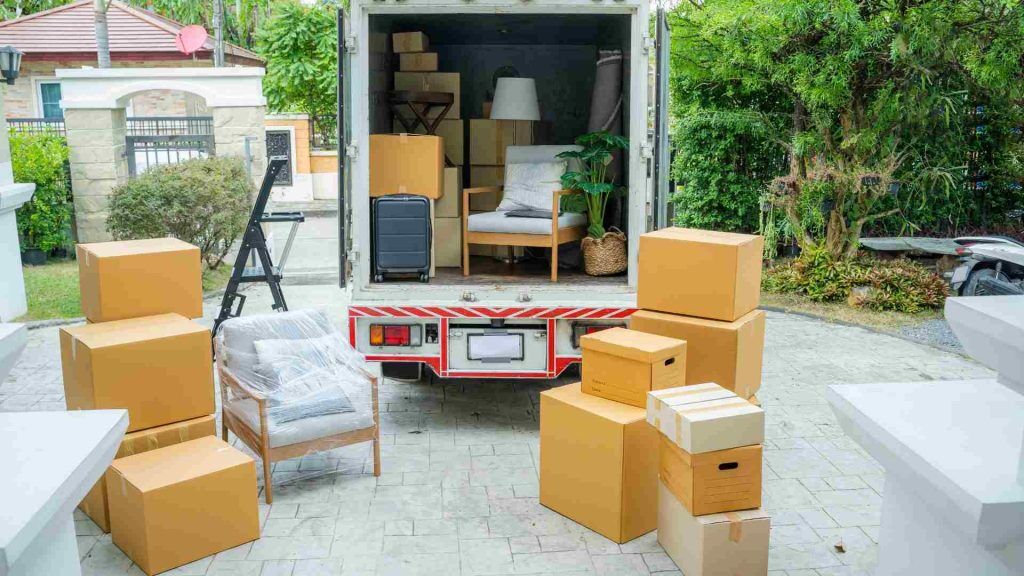
Household Goods Shipping from Canada: What to Expect and How to Prepare
Here’s something that might surprise you.
In 2025, over 54,000 Canadians left the country in just the first six months alone.
That’s the highest number ever recorded in that time frame. Moreover, Canada’s moving services industry is valued at $3.4 billion in 2026, handling everything from local relocations to international moves across oceans.
Household goods shipping from Canada can feel overwhelming at first, especially when you realize your furniture, personal items, and everyday essentials aren’t just cargo.
They represent your life, your memories, and everything you’ve built.
Whether you’re relocating within Canada or moving overseas, understanding how this whole process works helps you avoid damage, delays, and a whole lot of unnecessary stress.
So let’s talk about it. Just you and me, no complicated jargon.
What Household Goods Shipping Really Means
Think about what you own right now. Your couch, your kitchen table, those boxes of stuff you swear you’ll organize someday, your grandmother’s antique dresser.
Household goods shipping refers to transporting all these personal belongings like furniture, appliances, boxes, and personal effects.
Unlike commercial freight where everything’s standardized and replaceable, your stuff needs careful handling, accurate documentation, and thoughtful packing.
Here’s the thing though. Because personal effects shipping often involves long distances and multiple handling points, preparation plays a huge role in how smoothly everything goes.
In 2025, StatCan data showed that intraprovincial moves totaled 29,445 and interprovincial moves reached 5,368. That’s thousands of Canadian families packing up their lives and moving to new places, each one hoping their belongings arrive in one piece.
Shipping Household Goods Within Canada
Moving within Canada sounds simpler than international shipping, right? Well, not exactly.
Shipping household goods within Canada is incredibly common for families relocating between provinces or cities.
However, Canada’s massive size, unpredictable weather conditions, and varying regional regulations can complicate even domestic moves.
Let me give you some perspective.
In the first half of 2025, British Columbia saw 12,017 people leave the province, while Ontario continued being the top source of movers with 25,604 people relocating.
That’s a lot of household goods moving across provincial borders.
For this reason, proper routing, secure packing, and realistic timelines become essential.
You can’t just throw everything in a truck and hope for the best.
Domestic household shipments benefit greatly from planned trucking routes and coordinated pickup and delivery schedules.
Professional movers who understand Canadian geography and seasonal challenges know which routes work best in winter and which ones to avoid during spring thaw when weight restrictions kick in.
International Household Moves from Canada
Now, international moves? That’s a whole different ball game.
In 2024, over 118,000 Canadians permanently left the country. Furthermore, 2025 is on track to break that record with 54,530 people leaving in just the first six months.
Where are they going? Popular destinations include the United States, Ireland, Panama, Portugal, and New Zealand.
Working with an experienced international moving company in Canada ensures that customs rules, documentation, and container requirements get handled correctly.
Because honestly, one small mistake in paperwork can delay your shipment for weeks.
From export paperwork to destination country regulations, international household goods shipping requires coordination that goes way beyond basic transport.
You’re dealing with customs clearances, international shipping regulations, destination port requirements, and delivery logistics in a completely different country.
Additionally, Canada remains the world’s most desirable relocation destination for people moving here, with over 269,000 annual searches globally.
This means the moving industry handles massive volumes in both directions, making experience and reliability crucial.
How to Pack a Shipping Container with Household Goods
Let’s get real about packing for a second.
When learning how to pack a shipping container with household goods, most people focus on just getting everything inside. However, balance and weight distribution matter just as much as protective materials.
Here’s what professional movers know that most people don’t:
- Heavier items go at the bottom to prevent crushing and maintain stability
- Fragile goods need proper cushioning with blankets, bubble wrap, or foam
- Clear labeling helps during unloading and customs inspections
- Weight must be distributed evenly to prevent shifting during transport
- Empty spaces should be filled to minimize movement
Think about it this way. Your container might travel thousands of kilometers by truck, then get loaded onto a ship that’s rocking in ocean waves for weeks. Anything not properly secured will shift, slide, and potentially break.
In addition, inventory tracking becomes critical. When your belongings arrive at the destination port, you need to know exactly what you shipped so customs can process everything correctly.
Common Mistakes People Make When Shipping Personal Effects
Want to know where most people mess up?
Many issues arise from simple oversights that could have been avoided with better planning. Let me walk you through the most common mistakes:
- Underestimating packing requirements because they think “it’s just some boxes”
- Using weak or recycled boxes that can’t handle the weight or journey
- Rushing documentation and missing critical customs forms
- Not researching destination country restrictions on certain items
- Failing to photograph valuable items before packing for insurance purposes
- Choosing movers based solely on price without checking credentials
In addition, unclear communication between service providers often leads to missed timelines or unexpected charges. Planning at least 6 to 8 weeks ahead reduces these risks significantly.
Here’s something else to consider. With Canada’s moving services industry growing at 1.4% annually between 2020 and 2025, demand for quality movers is high. Book early, especially if you’re moving during peak season from May to September.
Understanding Costs and What Affects Your Quote
Let’s talk money. Because everyone wants to know what this actually costs.
Household goods shipping costs depend on several factors, and understanding them helps you budget accurately:
- Distance matters obviously, but so does accessibility at both ends
- Volume and weight of your shipment directly impact pricing
- Packing services cost extra but prevent damage
- Insurance coverage protects your belongings but adds to the total
- Timing affects availability and rates, with summer being peak season
- Storage needs at either end increase overall costs
Moreover, international moves involve additional expenses like customs clearance fees, destination port charges, and delivery from the port to your final address.
Professional movers provide detailed quotes that break down all these costs. Therefore, you know exactly what you’re paying for without surprises later.
What to Expect During the Moving Process
Okay, so what actually happens when you book a move?
The process typically follows several stages, and knowing them helps you stay prepared:
- Initial consultation where movers assess your needs and provide quotes
- Pre move survey to verify what’s being shipped and identify special requirements
- Packing preparation including gathering materials and planning timelines
- Packing day when professionals wrap, box, and prepare everything
- Loading into trucks or directly into containers
- Transport to destination port or final address
- Customs clearance for international moves
- Delivery and unpacking at your new location
For domestic Canadian moves, the timeline ranges from a few days to two weeks depending on distance. International moves take longer, typically 4 to 12 weeks depending on destination and shipping method.
In addition, tracking technology in 2025 and 2026 has improved dramatically. Most professional movers now offer real time updates so you always know where your belongings are.
Regulations and Documentation You Need to Know
Nobody loves paperwork, but it’s unavoidable for household goods shipping.
For moves within Canada, documentation is relatively straightforward. You need inventory lists, insurance documents, and proof of residence.
However, international moves require significantly more paperwork:
- Detailed packing lists with item descriptions and values
- Passport copies and visa documentation
- Customs declaration forms for the destination country
- Import permits for restricted items
- Proof of ownership for valuable items
- Insurance certificates covering international transit
Furthermore, each country has specific restrictions on what you can import. Some prohibit used mattresses, wooden furniture without treatment certificates, or certain electronics. Research these restrictions early to avoid having items confiscated or returned.
How GFFCA Helps Simplify Household Goods Shipping
At GFFCA, we understand that household goods shipping isn’t just logistics. It’s your life packed into boxes.
That’s why we treat it as a guided process, not just a transaction. Our team helps review your shipment needs, plan the right transport solution, and coordinate movement from start to finish.
Here’s what working with us looks like:
- Detailed consultation to understand your specific needs and timeline
- Transparent quoting with no hidden fees or surprise charges
- Professional packing services using quality materials and proven techniques
- Comprehensive insurance that actually covers your belongings’ value
- Customs coordination for international moves
- Real time tracking so you always know where your shipment is
- Delivery coordination ensuring everything arrives when and where you need it
Instead of juggling multiple providers, you get one point of contact, clear updates, and structured planning. This approach keeps household moves organized and predictable.
Moreover, with Canada’s economy expected to grow 1.2% in 2025 and 1.1% in 2026, and continued population movements both within Canada and internationally, having experienced logistics partners matters more than ever.
Tips for a Smooth Household Goods Move
Before we wrap up, let me share some insider tips that make everything easier:
- Start planning 8 to 12 weeks early for international moves, 4 to 6 weeks for domestic
- Declutter before you pack because shipping costs are based on volume
- Take photos of valuable items before packing for insurance claims
- Keep essential items with you rather than in the shipment
- Label boxes clearly with contents and destination room
- Research destination restrictions early to avoid prohibited items
- Get multiple quotes but don’t choose based on price alone
- Read reviews and verify credentials of moving companies
- Understand your insurance coverage and consider additional protection
- Stay in communication with your moving coordinator throughout the process
Additionally, consider the timing of your move. Summer months from May to September are peak season, meaning higher prices and less availability. If possible, moving during shoulder seasons offers better rates and more flexible scheduling.
Move Your Household Goods with Confidence
Moving doesn’t have to feel overwhelming or stressful.
With proper preparation and professional logistics support, shipping household goods from Canada becomes manageable and transparent. You know what to expect, when to expect it, and who to contact if anything changes.
The difference between a smooth move and a disaster often comes down to planning, communication, and working with people who actually care about getting your belongings there safely.
If you’re planning a household move and want clarity instead of confusion, GFFCA is ready to help.
We understand that every box contains more than just stuff. It contains your life, your memories, and your future in a new place.
Request a tailored shipping Quote today and move your household goods with complete confidence.

