

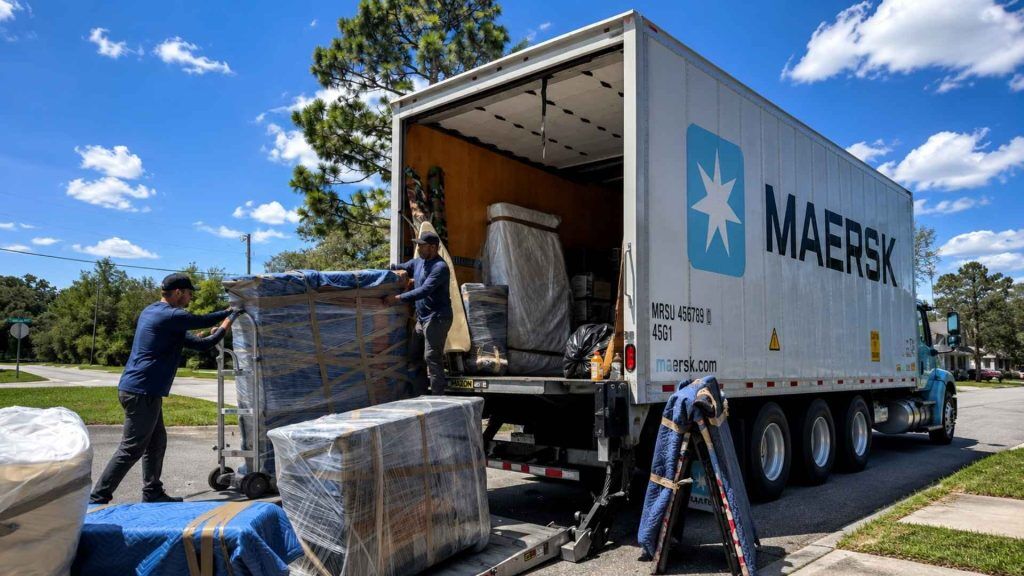
International Moving and Personal Effects
Essential Tips for Shipping Household Goods
Learn how to compare shipping methods, prepare and pack household items, review insurance, avoid hidden costs, and plan a smoother move.
Shipping household goods can be a daunting task. Whether you are moving to another province, state, or country, or just need to ship a few items, the process requires careful planning.
Understanding your options is crucial. From full-service movers to freight transportation and DIY methods, each choice has its pros and cons.
Cost is another important factor. Evaluating the cost-effectiveness of different shipping methods can save you money and stress.
Proper packing and labelling are essential to protect your belongings. Using high-quality materials can help prevent damage during transit.
This guide provides essential tips and insights for shipping household goods efficiently and cost-effectively. Customers planning an international relocation can also review GFFCA’s household goods shipping from Canada services.
Key Takeaways
- Choose a shipping method based on distance, shipment volume, budget, and delivery requirements.
- Create an inventory before packing or booking transportation.
- Use strong boxes, cushioning materials, and clear labels to protect household goods.
- Compare insurance options and understand the claims process before shipping.
- Confirm pickup, delivery, customs, handling, and possible surcharge details in advance.
- Inspect every item promptly after delivery and report missing or damaged goods quickly.
Understanding Your Household Shipping Options
When it comes to shipping household goods, knowing your options is key. Different methods cater to different needs and budgets. Whether moving across provincial or state lines, internationally, or just a few miles, choose wisely.
Full-Service Movers
Full-service movers offer an all-in-one solution. They handle packing, loading, and transporting your belongings.
This is ideal for those who prefer convenience over cost-efficiency.
Freight Shipping
Freight shipping can be a more economical choice for larger loads. This method involves transporting your goods by truck, rail, ocean, or air, depending on the route and shipment requirements.
It can be suitable for customers who can manage some or all of the packing themselves.
For international moves involving smaller cargo volumes, GFFCA’s LCL shipping from Canada may allow household goods to share container space with other compatible cargo.
Larger household shipments may be better suited to GFFCA’s FCL shipping services from Canada, which provide a dedicated container.
DIY Moving Options
DIY options include renting a moving truck. This is often one of the most budget-friendly methods for domestic moves but requires more effort on your part.
You control the timeline and handling of your items.
Common Household Shipping Methods
- Full-service movers
- Freight shipping
- LCL or shared-container shipping
- FCL or dedicated-container shipping
- Air freight for urgent or limited-volume shipments
- DIY moving-truck rentals for suitable domestic moves
Consider what works best for you. Distance, time, shipment volume, destination requirements, and budget all influence your decision.
Researching your options can pay off. Compare quotations, services, and customer reviews for peace of mind.
The right choice can make your move smoother and less stressful. GFFCA’s international freight forwarding services can help coordinate transportation options for household goods and personal effects.
How to Ship Household Items: A Step-by-Step Guide
Shipping household items to another province, state, or country may seem daunting. With the right plan, you can manage it smoothly.
Start by assessing what you need to ship.
Make an inventory of your belongings. This list helps with tracking and insurance claims later. Identify items you can sell or donate instead of shipping.
Next, research different shipping companies. Compare their services, costs, and reviews. Get quotations from multiple providers to help evaluate pricing and service levels.
Choose a shipping method that suits your needs and budget. Consider factors such as distance, volume, routing, and delivery timeframe.
Once you have decided, book your service well in advance.
Pack your belongings securely. Use strong boxes and quality packing materials for protection. Label boxes clearly with their contents and destination rooms.
Review your insurance options. Choose coverage that provides peace of mind. Make sure you understand the claims process in case of damage or loss.
Step-by-Step Household Shipping Checklist
- Create an inventory list
- Research and compare shipping companies
- Select the appropriate shipping method
- Book the shipment in advance
- Pack items securely and label every box
- Choose adequate insurance coverage
- Confirm pickup and delivery information
Lastly, coordinate with your shipping provider. Confirm pickup and delivery details, and ensure the provider has all necessary information.
Effective communication helps avoid misunderstandings.
GFFCA’s inland transportation solutions can help coordinate movement between a residence, warehouse, port, rail terminal, or other transportation facility.
By following these steps, you can ship household items with greater confidence. Planning and preparation make all the difference in a successful move.
Comparing Shipping Methods: Pros, Cons, and Costs
When shipping household goods, choosing the right method is crucial. Each option has unique benefits and drawbacks.
Consider your priorities and constraints before deciding.
Full-service movers take care of packing, loading, and transportation. They save time and stress but can be expensive. They are ideal for those prioritizing convenience.
Freight shipping involves transporting packed household goods by truck, rail, ocean, or air. It offers flexibility and can often cost less for medium to large shipments.
However, it may require more coordination and preparation.
DIY options, such as renting a truck, offer control over packing and scheduling. They can be cost-effective for suitable domestic moves but demand significant effort.
Be prepared for the physical demands of loading and unloading.
A Quick Comparison
Full-service movers: Convenient and professionally handled, but generally more expensive.
Freight shipping: Can be affordable for medium to large shipments, but may require additional coordination.
DIY truck rental: Cost-effective and flexible for suitable moves, but requires physical labour and time.
Each method has trade-offs between cost, convenience, control, and effort.
Understand these aspects to make an informed choice. Balancing your budget with your logistics needs is key to a satisfactory move.
Urgent or limited-volume household shipments may also be considered for GFFCA’s air freight services, depending on the cargo, route, and delivery requirements.
Preparing Your Household Goods for Shipping
Proper preparation helps ensure your items arrive intact and secure.
Begin by decluttering your home. Identify items you no longer need and decide whether to donate or sell them. This reduces shipping costs and simplifies the process.
Next, create an inventory of all items you plan to ship.
This list aids in tracking and insurance claims if needed. Include descriptions, conditions, and values for valuable belongings.
Packing materials play a crucial role in safeguarding your household goods.
Invest in sturdy boxes, bubble wrap, packing paper, tape, and cushioning materials. Clearly label each box with its contents and destination room to make unpacking easier.
Fragile items require extra attention. Use double-boxing techniques or specialized packing services to protect them.
Ensure each item is wrapped individually to reduce the risk of damage.
Consider separating essentials you will need immediately upon arrival. Keep these items easily accessible to avoid unnecessary unpacking while settling in.
Essential documents, chargers, medications, basic clothing, and toiletries are commonly kept separately.
Household Goods Preparation Checklist
- Declutter and sort items
- Create a detailed inventory
- Gather quality packing materials
- Label boxes clearly
- Protect fragile items
- Set aside essentials for easy access
With careful planning, the process becomes manageable. Thorough preparation reduces stress and supports a smoother transition.
When household goods need to be received, staged, transferred, or prepared before the next transportation stage, GFFCA’s warehousing and distribution services may support the shipment.
NFFI’s cross-docking and warehousing services may also assist with associated inland receiving, sorting, staging, and transfer requirements.
Packing Tips for Safe and Efficient Home Goods Shipping
Packing efficiently reduces stress and protects your belongings.
Start by gathering all necessary packing supplies. Use quality boxes, packing tape, bubble wrap, packing paper, cushioning materials, and markers for labelling.
Organize items by size and fragility to maximize space in boxes.
Heavy items should go at the bottom, with lighter items placed on top. This arrangement prevents crushing and improves stability.
Use dedicated boxes for fragile items such as glassware.
Wrap each piece in bubble wrap or packing paper. Fill empty spaces with cushioning materials to minimize movement during transit.
Label each box on multiple sides for easy identification.
Include the destination room and a brief description of the contents. This practice speeds up the unpacking process and helps prevent mix-ups.
Consider using a colour-coding or numbering system for tracking boxes.
Create a corresponding inventory list showing what is inside each container. This system is particularly useful for large shipments.
Packing Checklist
- Gather the necessary packing materials
- Organize items by size and fragility
- Place heavy items below lighter items
- Wrap fragile pieces individually
- Fill empty spaces with cushioning materials
- Label boxes clearly on multiple sides
- Use a tracking or inventory system
With these tips, you can have a smoother and more efficient packing experience.
Proper packing not only protects items but also streamlines the entire shipping process. GFFCA’s value-added logistics services may support shipments requiring additional handling, preparation, or coordination.
Insurance, Tracking, and Security for Shipping Household Items
Insuring your household goods is important during transit.
Accidents can happen, so it is essential to protect your belongings with suitable insurance. Compare policies to ensure you have adequate coverage.
Tracking your shipment offers peace of mind.
Many shipping providers include tracking services, allowing you to monitor shipment progress and remain informed about expected delivery.
Secure handling of items is vital for a smooth shipping experience.
Choose a reputable shipping company with a track record for safe deliveries. This reduces the risk of loss or damage during transit.
Consider additional security measures for high-value items.
Secure locks, protective cases, specialized packing, or additional documentation can help safeguard these belongings. Discuss the available options with your shipping provider.
Important Insurance and Security Considerations
- Evaluate insurance options carefully
- Understand the insured value and exclusions
- Review the claims process and reporting deadline
- Use available shipment-tracking services
- Verify the provider’s reputation for secure handling
- Consider additional protection for valuable items
Proper preparation in these areas helps keep household goods safe and secure.
By taking these precautions, you can minimize risks and support a smoother shipping journey.
Avoiding Common Mistakes and Hidden Costs
Shipping household goods can be tricky, and mistakes are common.
One misstep can lead to unnecessary costs or stress. Awareness is key to avoiding these pitfalls.
Hidden costs can catch you off guard.
Read quotations and service agreements carefully, paying attention to fees, limitations, and surcharges. Understanding potential charges helps with accurate budgeting.
Possible additional charges may relate to:
- Pickup and delivery access
- Storage
- Handling
- Customs clearance
- Import duties and taxes
- Inspection
- Waiting time
- Special packing or equipment
Planning ahead is essential to prevent last-minute problems.
Many costs arise from rushed decisions, so timely preparation can save money and reduce stress.
Key Avoidance Strategies
- Carefully read and understand shipping agreements
- Confirm all fees and surcharges in advance
- Ask what is included and excluded from the quotation
- Prepare packing and documentation early
- Plan pickup and delivery logistics well ahead of time
By being proactive and informed, you reduce the chance of unforeseen problems.
These strategies help keep the shipping process smooth and cost-effective.
Businesses reviewing transportation costs can also explore GFFCA’s free shipping audit.
When an urgent issue creates a time-sensitive inland transportation requirement, NFFI’s expedited shipping services may support the movement of approved associated cargo.
What Should You Do After Your Household Goods Arrive?
Once your household items arrive, check each box and item promptly.
Inspect for visible damage and ensure nothing is missing. A quick inspection allows you to report issues to your shipping provider promptly when needed.
Organize your unpacking by prioritizing essential items first.
Creating a plan can make the process feel less overwhelming.
Ensure the delivery aligns with what was originally planned and confirm that the agreed services were completed.
For international shipments, customs release and destination delivery arrangements should be confirmed before collection. GFFCA’s customs brokerage services can help coordinate Canadian customs requirements for eligible shipments.
Frequently Asked Questions About Shipping Household Goods
What Is the Cheapest Way to Ship Household Items?
The most affordable method often depends on the size and weight of your shipment.
Freight shipping, shared-container service, or a moving-truck rental can be cost-effective for larger loads, depending on the distance and destination.
How Long Does It Take to Ship Household Goods?
Timeframes vary based on distance, route, transportation method, available capacity, customs requirements, and delivery arrangements.
Domestic moves may take several days or weeks, while international shipments depend on the selected ocean or air-freight service.
How Do I Help Prevent My Items from Being Damaged?
Use quality packing materials and clearly label fragile items.
Wrap fragile pieces individually, fill empty spaces inside boxes, and consider professional or specialized packing support for valuable belongings.
What Should I Look for in a Shipping Company?
Check customer reviews, compare quotations, understand the service terms, and confirm whether insurance and tracking options are available.
Transparency, communication, experience, and reliable customer service are important.
Can Household Goods Be Shipped in a Shared Container?
Yes. LCL shipping may be suitable when the shipment does not require an entire container.
The goods must be packed appropriately, accurately documented, and accepted for the selected route and destination.
When Should I Use a Full Container?
A full container may be suitable for a larger household move, when more space is required, or when the customer wants a dedicated container rather than sharing space with other cargo.
Planning a Successful Household Goods Shipment
Shipping household goods becomes easier when the process is divided into clear steps.
Before booking, confirm:
- Which items will be shipped
- The total shipment volume and approximate weight
- The most suitable transportation method
- What packing services or materials are required
- Which charges are included in the quotation
- Whether customs documents are required
- What insurance and tracking options are available
- How pickup and final delivery will be coordinated
Careful planning can reduce unnecessary costs, prevent packing problems, and create a smoother experience from pickup through final delivery.
Planning to Ship Household Goods?
Share your pickup location, destination, estimated shipment volume, preferred timeline, and required services for a personalized household-goods shipping plan.
