

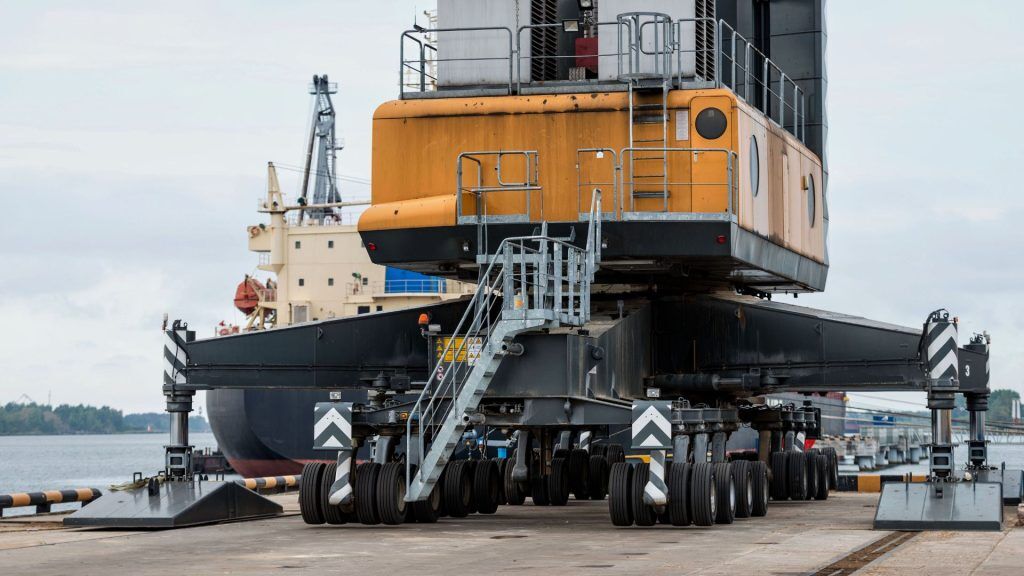
Heavy Machinery Shipping | Logistics Planning
Best Practices for Machinery Shipping Logistics
Machinery shipping requires careful planning, accurate documentation, safe loading, proper permits, and experienced logistics support to move heavy equipment without delays or damage.
Machinery Shipping is not a simple transportation job. It involves moving heavy, oversized, industrial, construction, or agricultural equipment safely from one location to another.
Every machine has different handling needs. Some equipment requires special trailers, some needs dismantling, and some may need permits, customs documents, port handling, or special loading support.
Working with an experienced heavy machinery shipping provider helps reduce risk, protect the equipment, and keep the shipment moving on schedule.
Understanding Machinery Shipping: Types and Challenges
Machinery shipping includes many types of equipment, and each type comes with different shipping challenges.
Types of Machinery
- Construction Equipment: Bulldozers, cranes, excavators, loaders, and road-building equipment.
- Industrial Machinery: Press machines, lathes, drill presses, generators, and production equipment.
- Agricultural Equipment: Tractors, harvesters, seeders, and farm machinery.
Construction equipment often requires specialized trailers because of its size and weight. Industrial machinery may need dismantling, protective packaging, or careful handling to avoid damage.
Oversized loads can also create route restrictions, bridge limitations, permit requirements, and special delivery conditions. For complex moves, reviewing oversized freight shipping requirements early can prevent delays later.
Choosing the Right Heavy Equipment Shipping Company
Choosing the right shipping company is one of the most important parts of machinery shipping. The right partner can help with equipment planning, route checks, permits, documentation, loading support, and delivery coordination.
Key Factors to Consider
- Experience: The company should understand heavy equipment and industrial cargo movement.
- Insurance Coverage: Proper coverage protects against possible damage or loss during transit.
- Equipment Options: The provider should know when to use flatbeds, step decks, lowboys, containers, or special trailers.
- Transparent Communication: Costs, timelines, and requirements should be explained clearly.
- Reputation: Reviews, experience, and past project handling matter.
For regional and inland machinery moves, GFFCA can also coordinate with trusted trucking support, including heavy equipment hauling solutions through NFFI.
Getting Accurate Equipment Shipping Quotes
A proper equipment shipping quote depends on accurate details. If the equipment weight, dimensions, or loading conditions are incorrect, the final cost can change after booking.
Information Needed for Quotes
- Equipment type, make, and model
- Weight and dimensions
- Pickup and delivery locations
- Loading and unloading conditions
- Whether the machine is running or non-running
- Required shipping timeline
- Permit or route requirements
A detailed quote should include transport cost, permits, insurance, special handling, port charges, and any expedited shipping fees if required.
You can request a machinery shipping quote through GFFCA’s request a quote page.
Preparing Machinery for Safe and Efficient Shipping
Proper preparation protects machinery during loading, transit, and unloading. Before pickup, the equipment should be cleaned, inspected, and prepared for transport.
Key Preparation Steps
- Clean the machinery before pickup.
- Disconnect and secure movable parts.
- Drain fluids when required to prevent leaks.
- Protect fragile or exposed components.
- Take photos before loading.
- Label parts clearly if the equipment is dismantled.
- Prepare an inventory list for attachments or loose parts.
For machinery that needs extra handling, GFFCA’s heavy machinery moving services in Canada can help coordinate equipment handling from pickup to delivery.
Domestic vs. International Machinery Shipping
Domestic machinery shipping usually involves fewer regulatory steps, but it still requires safe loading, proper route planning, and reliable delivery coordination.
International machinery shipping is more complex. It may involve customs declarations, export documentation, import rules, port handling, duties, taxes, and country-specific compliance requirements.
Key Considerations
- Customs declarations and commercial invoices
- Export and import regulations
- Oversized load and heavy-load permit requirements
- Port handling and terminal coordination
- Ocean freight or air freight options
- Destination delivery planning
For international movement, machinery may move through ocean freight, air freight, inland trucking, or a combination of transport modes.
Permits, Documentation, and Regulatory Compliance
Documentation is a major part of machinery shipping. Missing or incorrect paperwork can lead to delays, fines, storage charges, or customs issues.
Essential Documents and Permits
- Commercial invoice or bill of sale
- Packing list
- Equipment description and serial number
- Shipping instructions
- Bill of lading
- Export documents
- Customs declarations
- Special permits for oversized equipment and heavy cargo
- Safety and compliance certificates if applicable
GFFCA’s customs brokerage support can help review documentation before the shipment moves.
Best Practices for Loading, Securing, and Unloading Equipment
Loading and unloading are critical stages in machinery shipping. Improper handling can damage the equipment or create safety risks.
Key Safety Practices
- Use trained personnel for loading and unloading.
- Confirm equipment weight and center of gravity.
- Use the correct ramps, cranes, forklifts, or lifting gear.
- Secure machinery with proper chains, straps, and restraints.
- Check all locks and tie-downs before departure.
- Maintain clear communication between the driver and loading team.
Businesses can also review how heavy haul transport makes shipping easier when moving large or difficult equipment.
Leveraging Technology and Tracking Solutions
Technology improves visibility in machinery shipping. Tracking tools help shippers monitor movement, reduce uncertainty, and coordinate delivery more efficiently.
Benefits of Technology
- Real-time tracking updates
- Better route planning
- Improved communication with customers
- Faster response to delays
- Better planning for pickup and delivery teams
Managing Costs and Optimizing Shipping Logistics
Managing machinery shipping costs starts with clear planning. Costs can increase when dimensions are inaccurate, permits are missed, or special equipment is needed at the last minute.
Tips for Cost Management
- Provide accurate dimensions and weight.
- Book early when possible.
- Consolidate shipments when practical.
- Choose the right equipment from the start.
- Review access at pickup and delivery locations.
- Confirm if permits or escorts are required.
Before booking, it is also important to understand possible hidden charges in trucking heavy haul services.
Insurance, Risk Management, and Safety Protocols
Insurance is an important part of machinery shipping because heavy equipment can be expensive to repair or replace. Proper coverage helps protect the shipment during transport.
Risk management starts before the machinery is loaded. Pre-shipment inspections, photos, correct documentation, safe loading, and proper securement all help reduce damage risk.
- Conduct pre-shipment inspections.
- Take clear photos before pickup.
- Confirm cargo value and insurance options.
- Use proper loading and securing techniques.
- Train personnel involved in machinery handling.
Working with Logistics Partners and Building Relationships
Strong logistics partnerships make machinery shipping easier. A reliable partner understands your equipment, timelines, pickup conditions, delivery requirements, and compliance needs.
Good communication also helps solve problems faster. When shippers, carriers, customs teams, and loading crews are aligned, the shipment is easier to manage from start to finish.
- Better shipment coordination
- Access to expert guidance
- Faster problem-solving
- Improved delivery planning
- Reduced risk of missed details
Sustainability and Environmental Considerations in Machinery Shipping
Sustainability is becoming more important in machinery shipping. Companies are looking for ways to reduce emissions, optimize routes, and use transport options more efficiently.
Greener planning may include using fuel-efficient vehicles, choosing multimodal transport, consolidating shipments, and reducing unnecessary mileage through better route planning.
- Use efficient routing where possible.
- Consolidate compatible shipments.
- Reduce empty miles.
- Plan pickup and delivery windows carefully.
- Choose the right transport mode for the shipment.
Common Challenges and How to Overcome Them
Machinery shipping can involve many challenges, especially when the equipment is oversized, heavy, sensitive, or moving internationally.
- Complex Regulations: Work with experienced logistics and customs teams.
- Oversized Loads: Confirm dimensions, permits, routes, and escorts early.
- Loading Challenges: Review site access and loading equipment before pickup.
- Cost Changes: Provide accurate details and request a clear quote.
- Delivery Delays: Track the shipment and maintain communication with all parties.
Conclusion: Ensuring Success in Machinery Shipping Logistics
Successful Machinery Shipping depends on planning, communication, safety, compliance, and the right logistics partner.
From preparing equipment and securing accurate quotes to managing permits, insurance, loading, tracking, and delivery, every step matters.
When machinery shipping is planned correctly, businesses can reduce delays, avoid unnecessary costs, and protect valuable equipment throughout the move.
Related GFFCA Resources
Need Help with Machinery Shipping?
GFFCA helps businesses plan machinery shipping with the right equipment, documentation, permits, routing, customs support, and freight coordination from pickup to delivery.

