

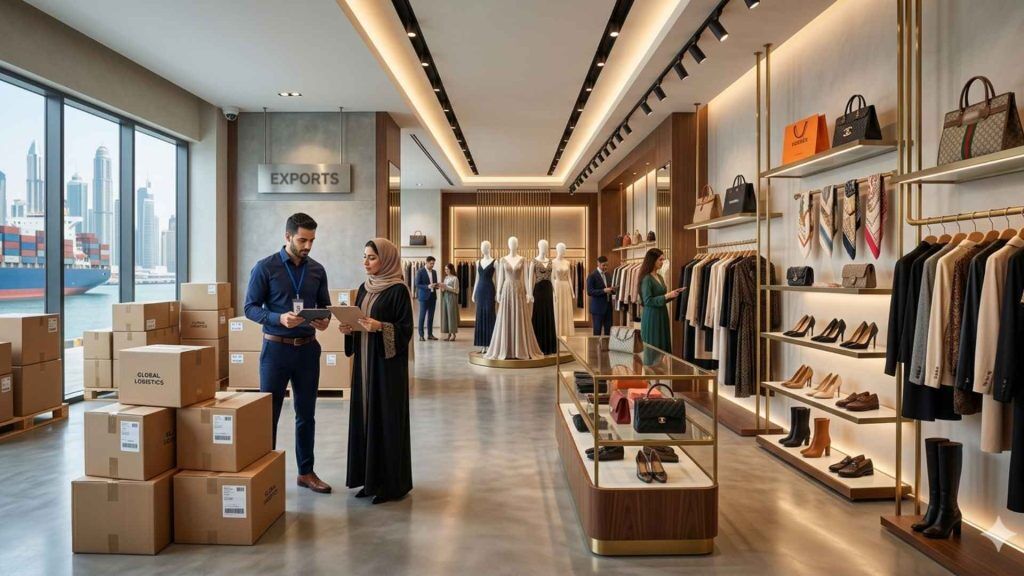
The market for global used clothing shipping is becoming more specialized. Middle East buyers are not only looking for low-cost bulk apparel. Demand is growing for premium secondhand fashion, vintage pieces, branded clothing, and higher-quality sorted inventory.
This shift is changing the logistics strategy for exporters. Traditional used clothing shipments were often planned around volume, container space, and low freight cost. Premium apparel requires a different approach.
Exporters now need to think about condition, grading, packaging, moisture protection, delivery timing, customs accuracy, and whether ocean freight or air freight makes more sense for the value of the cargo.
1. Premium demand is changing the meaning of “used clothing”
In many export markets, used clothing was historically treated as a bulk commodity. Bales were packed, loaded into containers, shipped overseas, and sold through resale channels based on general category and volume.
Middle East demand is changing that model. Buyers looking for branded, vintage, designer, or premium-condition apparel need more than mixed bales. They need cleaner grading, better category separation, and more reliable inventory quality.
The real shift
The value is no longer only in how many pounds can fit in a container. The value is in how well the apparel is sorted, protected, documented, and delivered.
2. Grading now affects shipping value
Premium apparel cannot be handled the same way as low-grade mixed clothing. A higher-value shipment may include branded jackets, handbags, luxury shoes, vintage denim, occasion wear, or curated fashion pieces.
If the cargo is poorly sorted, incorrectly labeled, or packed without care, the buyer may face lower resale value at destination. That means logistics now plays a direct role in protecting commercial margin.
Traditional Bulk Shipping
Volume-first model
- Mixed bales
- Lower sorting detail
- Ocean container focus
- Cost-per-pound mindset
Premium Apparel Shipping
Value-first model
- Detailed grading
- Better category separation
- Moisture and damage protection
- Delivery-window planning
3. Some premium apparel may need faster routing
Ocean freight remains the main option for large-volume used clothing exports because it provides stronger cost efficiency for bulk movement. But premium apparel can change the calculation.
When the cargo has higher resale value, faster turnover, or time-sensitive buyer demand, air freight may become practical for selected portions of the shipment.
Exporters may choose a mixed strategy: bulk bales move by ocean freight, while premium curated pieces move by air freight to reach buyers faster.
A Smarter Shipping Split for Premium Used Apparel
Bulk Bales
Best suited for containerized ocean freight when volume and cost control matter most.
Premium Pieces
May require stronger protection, faster routing, and more detailed packing records.
Urgent Inventory
Air freight can support faster delivery when resale timing protects higher margins.
4. Documentation needs to be more accurate
Premium used apparel requires clearer documentation because the cargo value, category, and destination expectations can vary. Exporters should avoid vague cargo descriptions that create confusion during customs clearance.
Better paperwork helps reduce the risk of inspection delays, valuation issues, buyer disputes, and release problems at destination.
Important details to prepare before shipping
5. Packaging and cargo protection matter more
Premium apparel buyers care about condition. Moisture, odor, torn packaging, poor stacking, and rough handling can reduce resale value even if the cargo technically arrives.
Exporters should treat premium used apparel as inventory, not just freight. That means stronger bale wrapping, better carton selection where required, clean warehouse handling, and careful loading practices.
For businesses managing large used clothing flows, proper warehousing and distribution support can help organize cargo before export and reduce mistakes during consolidation.
What exporters should do now
Premium apparel export checklist
- Separate premium apparel from standard mixed bales
- Use clear grading categories before packing
- Confirm buyer expectations for branded or vintage inventory
- Choose ocean freight for bulk and air freight for urgent premium cargo
- Prepare accurate invoice, packing list, bale count, and cargo description
- Protect cargo from moisture, odor, compression, and handling damage
- Work with a freight partner experienced in used clothing exports
Conclusion
Middle East demand is changing the future of global used clothing shipping. The market is becoming more quality-driven, more timing-sensitive, and more dependent on proper grading and logistics planning.
Exporters that continue treating all used clothing as low-value bulk cargo may miss higher-margin opportunities. Exporters that improve sorting, documentation, packaging, and routing can serve premium buyers more effectively.
At GFFCA, we support used clothing exporters with freight planning, ocean freight, air freight, documentation coordination, and practical logistics solutions for global apparel movement.
Ready to ship smarter?
Move premium used clothing with better planning and stronger freight support
Get support for used clothing exports, premium apparel freight, documentation, ocean freight, air freight, and destination-ready cargo planning.

