

International Vehicle Shipping
Understanding RoRo Car Shipping Services
Learn how RoRo car shipping works, which vehicles qualify, what affects the cost, and how to prepare your vehicle for international transportation.
Shipping a vehicle overseas involves several decisions, and one of the most important is choosing the right transportation method.
For many standard cars, SUVs, pickup trucks, vans, and commercial vehicles, RoRo car shipping offers a practical and cost-effective solution.
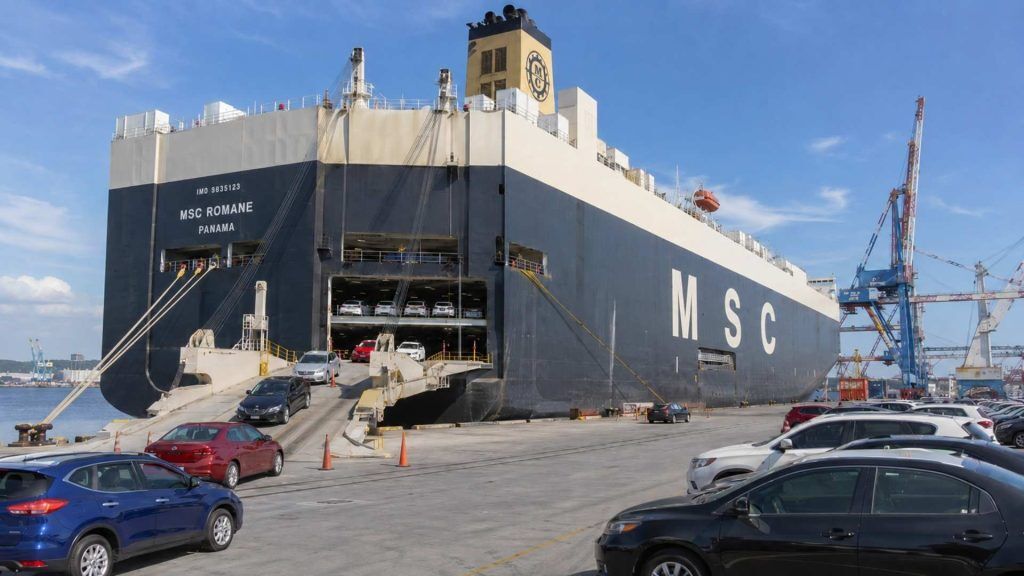
RoRo stands for roll-on/roll-off. The name describes how vehicles enter and leave the vessel. Instead of lifting the vehicle into a container, trained port workers drive it onto a specialized ship through built-in ramps. After the vessel reaches the destination, workers drive the vehicle off and move it into the port’s designated collection area.
The process may sound simple, but successful vehicle shipping still requires accurate documentation, proper preparation, customs planning, and coordination at both the origin and destination.
This guide explains how RoRo shipping works, which vehicles qualify, what affects the cost, and what vehicle owners should prepare before booking. GFFCA’s international car shipping services can help coordinate vehicle pickup, export documentation, and ocean transportation from Canada.
Key Takeaways
- RoRo shipping is designed for wheeled and self-propelled cargo.
- Most standard RoRo services require the vehicle to start, steer, move, and brake safely.
- RoRo can be cost-effective for standard running vehicles when a suitable route is available.
- Import rules must be checked before export because carrier acceptance does not guarantee destination approval.
- Vehicles generally need to remain empty and free of prohibited personal belongings.
- Customers should review the complete cost, including port charges, taxes, insurance, and final delivery.
What Is RoRo Car Shipping?
RoRo is an ocean freight method designed for wheeled and self-propelled cargo.
Specialized RoRo vessels contain multiple internal decks that function like large parking structures. Ramps connect the decks and allow vehicles to move through the vessel without requiring cranes or container-loading equipment.
The method commonly transports:
- Passenger cars
- SUVs and vans
- Pickup trucks
- Motorcycles
- Commercial trucks
- Buses
- Recreational vehicles
- Trailers
- Construction equipment
- Agricultural machinery
- Other wheeled or tracked cargo accepted by the carrier
Because workers drive the vehicle directly onto and off the vessel, RoRo shipping usually involves less physical handling than some other transportation methods.
However, the vehicle must meet the carrier’s operating and safety requirements before the port accepts it. Businesses moving passenger vehicles, commercial fleets, motorcycles, or specialty units can also review GFFCA’s automotive shipping solutions.
How Does the RoRo Shipping Process Work?
Although each route and carrier may follow slightly different procedures, most RoRo shipments move through several common stages.
1. Confirming Vehicle Eligibility
Before booking, the freight forwarder reviews the vehicle’s year, make, model, dimensions, weight, operating condition, origin, and destination.
The destination country may restrict vehicles based on age, emissions, manufacturing year, steering position, or condition. Therefore, confirming that the vehicle can legally enter and register in the destination country is essential.
Carrier Acceptance and Import Approval Are Different
A carrier’s willingness to transport a vehicle does not automatically mean the destination government will allow its importation, customs clearance, or registration.
2. Selecting the Ports and Sailing
RoRo service is not available from every port to every destination.
The freight forwarder reviews suitable departure ports, destination ports, vessel schedules, and connecting services. In some cases, the vehicle may move directly to the destination. In others, the vessel may stop at one or more ports before final discharge.
The vehicle may also require inland transportation from its current location to the export port. GFFCA’s inland transportation solutions can help connect the vehicle’s Canadian location with the selected export gateway.
3. Preparing Export Documents
The shipper must submit the required ownership and export information before the documentation cutoff.
Depending on the shipment, documents may include:
- Original vehicle ownership or registration
- Bill of sale or purchase invoice
- Government-issued identification
- Vehicle identification number
- Lien-release letter
- Export declaration
- Shipping instructions
- Import permit when required
- Destination customs documents
The names, VIN, vehicle description, and ownership information should remain consistent across all documents. GFFCA’s freight forwarding services can help connect the documentation, inland movement, and ocean-booking stages.
4. Delivering the Vehicle to the Port
The owner or transportation provider delivers the vehicle to the nominated port or receiving facility.
Port staff inspect the vehicle and confirm that it meets the carrier’s requirements. They may refuse vehicles with serious mechanical problems, fluid leaks, unsafe tires, prohibited cargo, or missing documentation.
The shipper should keep a copy of the condition report and take clear photographs before releasing the vehicle.
5. Loading and Securing the Vehicle
Port workers drive the vehicle onto the RoRo vessel through a ramp.
After positioning it on the assigned deck, the vessel team secures the vehicle using approved straps, wheel restraints, or other lashing equipment. Proper securement helps prevent movement during vessel operations and ocean transit.
6. Ocean Transportation
The vessel follows its planned route toward the destination port.
Transit time depends on the origin, destination, sailing schedule, port rotation, weather, and whether the service includes transshipment.
Customers should treat all vessel arrival dates as estimates because carriers may revise schedules for operational reasons.
7. Customs Clearance and Collection
After arrival, the consignee or destination customs representative completes the import process.
The destination side may involve:
- Customs declaration
- Import duties and taxes
- Port handling charges
- Customs-agent fees
- Inspections
- Vehicle release charges
- Storage charges
- Registration or technical inspection
Once customs and the terminal release the vehicle, the owner can collect it or arrange delivery to the final location.
GFFCA’s customs brokerage services can help connect the Canadian freight file with the customs information and destination coordination required for the shipment.
What Are the Main Benefits of RoRo Shipping?
RoRo remains a widely used vehicle-shipping method because it offers several practical advantages.
Simple Loading and Unloading
The vehicle enters and exits the vessel using its own wheels. This reduces the need for cranes, forklifts, and container-loading operations.
As a result, the physical loading process can be faster and more straightforward.
Cost-Effective for Standard Vehicles
RoRo can be more economical than booking an entire container for one running vehicle.
The vessel carries many vehicles on its internal decks, allowing the carrier to use the available space efficiently.
However, the lowest ocean rate does not always produce the lowest total cost. Customers should also compare port charges, customs costs, inland delivery, and route availability.
Suitable for Large Vehicles
RoRo vessels can often accommodate vehicles that may not fit easily inside a standard shipping container.
Depending on carrier approval, this may include:
- Large pickup trucks
- Buses
- Recreational vehicles
- Commercial trucks
- Construction machines
- Agricultural equipment
Businesses shipping oversized or heavy machinery can also review GFFCA’s heavy machinery shipping services.
Reduced Cargo Handling
Because workers drive the vehicle rather than lifting or dismantling it, RoRo shipping can reduce certain handling risks.
Nevertheless, the vehicle still moves through ports and vessel decks. Owners should document its condition and review the available marine insurance options.
Which Vehicles Qualify for RoRo Shipping?

A vehicle generally needs to remain fully mobile and safe to operate during loading and unloading.
Most carriers require the vehicle to:
- Start without external assistance
- Move forward and reverse
- Steer correctly
- Brake safely
- Have properly inflated tires
- Have no major fluid leaks
- Maintain sufficient ground clearance
- Contain the permitted fuel level
- Meet the vessel’s size restrictions
- Remain free of prohibited personal property
The exact requirements depend on the carrier and port.
A non-running vehicle may not qualify for normal RoRo service. In that situation, container shipping may provide a better solution because a warehouse can load the vehicle using a forklift, winch, or other approved equipment.
RoRo vs. Container Car Shipping: Which Is Better?
Both methods can move vehicles internationally, but they meet different needs.
RoRo Shipping
RoRo may suit:
- Running passenger vehicles
- Standard SUVs and pickup trucks
- Commercial fleets
- Large wheeled vehicles
- Customers seeking a cost-focused method
- Routes with regular RoRo service
The vehicle generally must remain empty, and the owner has less control over the loading environment.
Container Shipping
Container shipping may suit:
- Luxury vehicles
- Classic and collector cars
- Non-running vehicles
- Modified cars
- High-value vehicles
- Shipments containing approved household goods
- Routes without suitable RoRo service
A dedicated container usually costs more but offers greater control over loading and securing.
Customers planning a dedicated vehicle shipment can review GFFCA’s FCL shipping services from Canada.
A Simple Way to Choose
RoRo shipping may be suitable for a standard running vehicle when the route offers regular service and the vehicle can remain empty.
Container shipping may be better for a non-running, modified, classic, luxury, or high-value vehicle that requires more controlled loading.
The better option depends on the vehicle, budget, route, operating condition, destination rules, and level of protection required.
What Affects RoRo Car Shipping Costs?
RoRo rates vary according to the shipment rather than following one universal price.
The main cost factors include:
- Vehicle length, width, height, and weight
- Canadian pickup location
- Departure and destination ports
- Direct or connecting vessel service
- Carrier schedule
- Fuel surcharges
- Port handling charges
- Seasonal demand
- Marine insurance
- Customs examinations
- Destination taxes
- Final delivery requirements
Carriers often calculate RoRo freight according to the vehicle’s dimensions or the amount of vessel space it occupies. Therefore, large SUVs, vans, buses, pickup trucks, and commercial equipment generally cost more than compact passenger cars.
A quotation may cover only the ocean transportation portion. It may exclude pickup, terminal charges, customs clearance, import duty, taxes, storage, registration, and final delivery.
Ask the freight forwarder to identify which charges are included and which will remain payable at destination.
How Should You Prepare a Vehicle for RoRo Shipping?
Proper preparation can help prevent port rejection, delays, and disputes.
Clean and Photograph the Vehicle
Wash the exterior before delivery and take dated photographs from multiple angles.
Photograph:
- Front and rear
- Both sides
- Roof
- Wheels
- Windshield
- Interior
- Odometer
- VIN plate
- Existing scratches or dents
Keep these photographs until the consignee receives and inspects the vehicle.
Remove Personal Belongings
RoRo carriers generally require vehicles to remain empty.
Remove luggage, electronics, documents, tools, spare parts, loose accessories, and valuables. Personal belongings may not receive insurance coverage and can trigger customs inspections or carrier rejection.
Factory-installed items normally remain with the vehicle, but the carrier should confirm any uncertainty before delivery.
Items that cannot travel inside the vehicle may need to move separately. NFFI’s cross-docking and warehousing services can support the staging and transfer of approved associated freight in Canada.
Check the Mechanical Condition
Before handing over the vehicle, confirm that:
- The battery is charged
- The tires have proper pressure
- The brakes work
- The steering functions correctly
- There are no major leaks
- The alarm is disabled
- The permitted fuel level is maintained
- All required keys are available
Tell the freight forwarder about low ground clearance, modifications, oversized accessories, electric batteries, or mechanical concerns before booking.
Remove or Secure Accessories
Remove detachable roof racks, antennas, bicycle carriers, loose spoilers, and other accessories when possible.
If an accessory cannot be removed, notify the freight forwarder because it may change the vehicle’s dimensions and shipping rate.
When urgent automotive parts or approved supporting freight must move separately from the vehicle, NFFI’s expedited shipping services may help support time-sensitive inland transportation requirements.
Why Should You Consider Marine Insurance?
Ocean carriers may provide limited liability under their transportation terms. This protection may not equal the vehicle’s market or replacement value.
Ask about marine cargo insurance before shipping, particularly for:
- Luxury cars
- Classic vehicles
- Collector automobiles
- Recently purchased cars
- High-value SUVs
- Commercial equipment
Review the insured value, deductible, exclusions, claim deadline, and whether coverage includes loading, unloading, and port storage.
The pre-shipment photographs and condition report can become important evidence if a claim arises.
What Common RoRo Shipping Mistakes Should You Avoid?
Several avoidable mistakes can create delays or additional costs.
Shipping Before Checking Import Rules
The vehicle may arrive at the destination and still fail age, emissions, safety, or registration requirements.
Confirm admissibility before export.
Leaving Personal Items in the Vehicle
Undeclared goods may lead to inspection, rejection, or penalties.
Keep the vehicle empty unless the carrier and customs authority provide written approval.
Providing Incorrect Vehicle Dimensions
Oversized tires, roof racks, lifts, and modifications can increase the vehicle’s measurements.
Incorrect dimensions may result in revised charges or loading problems.
Ignoring Destination Charges
A low ocean rate may not include taxes, port fees, customs-agent charges, inspections, storage, or inland delivery.
Review the complete route cost before booking.
Missing Documentation Deadlines
Late ownership documents or export information may cause the vehicle to miss its intended sailing.
Prepare and submit documents early.
Frequently Asked Questions About RoRo Car Shipping
Is RoRo Shipping Safe for Vehicles?
RoRo is an established method used to transport large numbers of vehicles worldwide. Workers secure vehicles inside specialized vessels. However, owners should still document the vehicle’s condition and review insurance coverage.
Can I Ship a Non-Running Car by RoRo?
Most standard RoRo services require the vehicle to start, steer, move, and brake. A non-running vehicle may require container shipping or a specialized carrier arrangement.
Can I Leave Personal Belongings Inside the Vehicle?
Carriers generally prohibit personal belongings in RoRo vehicles. Always obtain written confirmation before leaving any items inside.
How Long Does RoRo Shipping Take?
Transit time depends on the ports, vessel route, sailing schedule, weather, and possible transshipment. Customs clearance and port release can add time after arrival.
What Documents Are Required?
Common documents include vehicle ownership, a bill of sale, identification, export information, shipping instructions, and destination customs paperwork. Requirements vary by country.
Is RoRo Cheaper Than Container Shipping?
RoRo is often more affordable for a standard running vehicle. However, availability, vehicle dimensions, port charges, and destination expenses affect the final cost.
Can Motorcycles and Commercial Vehicles Use RoRo?
Many RoRo vessels accept motorcycles, trucks, buses, trailers, and machinery. The carrier must confirm the vehicle’s dimensions, weight, and operating condition before booking.
Is RoRo Car Shipping Right for Your Vehicle?
RoRo car shipping can provide a practical solution when the vehicle runs properly, the route offers suitable vessel service, and the owner does not need to place personal goods inside it.
However, the decision should consider more than the ocean rate. Import rules, port handling, taxes, insurance, documentation, and final delivery all affect the total shipment.
Before booking, confirm:
- The destination legally accepts the vehicle
- The vehicle meets the carrier’s operating requirements
- RoRo is available for the selected route
- The complete quotation includes all expected charges
- The required ownership and export documents are ready
- The vehicle has been cleaned, photographed, and prepared
- Appropriate marine insurance has been reviewed
- Destination customs clearance and collection have been planned
Careful planning can reduce the risk of port rejection, missed sailings, unexpected charges, and destination delays.
Customers who need broader support with vehicle pickup, documentation, and international transportation can review GFFCA’s freight and logistics services.
Planning a RoRo Vehicle Shipment?
Share the vehicle year, make, model, operating condition, Canadian pickup location, destination, and preferred timeline for a personalized shipping plan.
